

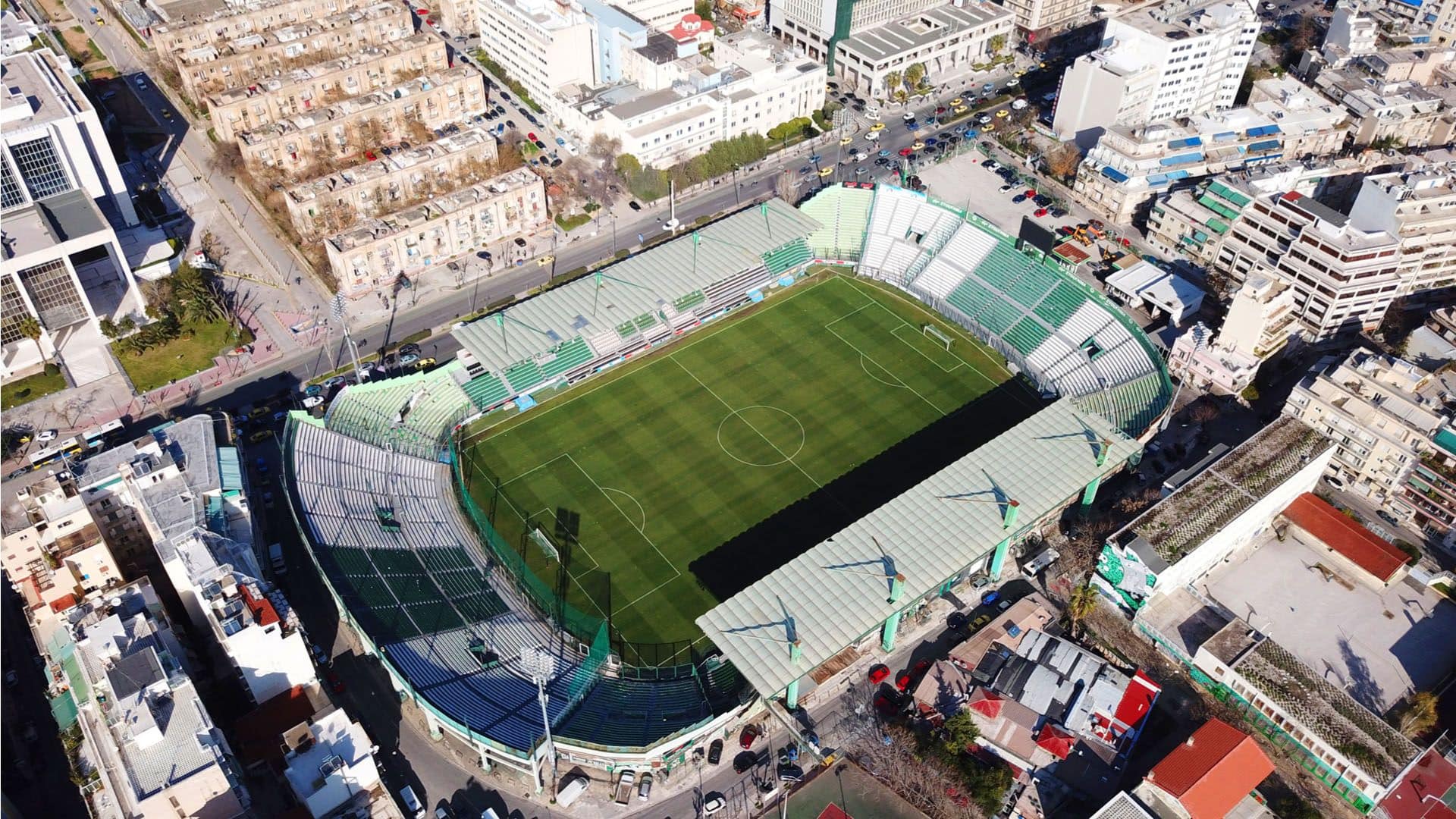
Panathinaikos Stadium
The Apostolos Nikolaides arena is situated on Alexandras Avenue and is owned by the Panathinaikos Athlitikos Omilos, also known as the Panathenian Athletic Club. The founder of the club, George Kalafatis, discovered the area in the early 1920s, and since then, it has been the venue for Panathinaikos’ sporting events. The emblem of the club is the shamrock.
In 1922, Panathinaikos started working on the conversion of a rocky area into a football stadium. In 1924, with a resolution of the 4th National Assembly, Panathinaikos acquired the use of the land, while decades later became the owner of the land.
In this venue on Alexandras Avenue, many of Greece’s sports milestones were set, making this arena a pioneer in many ways. In particular:
For the first time, a Greek football stadium has grandstands and a covered radius.
Headlights were placed for the first time for conducting night football matches.
Some completely unknown, until then, sports were presented for the first time in Greece, such as hockey, rugby, and baseball.
Football matches were filmed for the first time.
Turf was inserted in a Greek football stadium for the first time.
The first indoor basketball-volleyball hall was built.
During WWII, Panathinaikos’ fans used the halls of the Athens-based stadium as meeting rooms for Greek resistance members.
“Leoforos” (which means “Avenue” in English) served as the headquarters of the Greek National football team for many years during which they achieved significant successes. Until the “herculean task” of 2004, which was the conquest of the European Championship, all the qualifying home games of the Greek National team were held in “Leoforos”. The stadium belonged to Panathinaikos and its aroma was associated with the team’s victories.
“Leoforos” was considered a sacred land. If a great athlete of the Panathinaikos family lost their life, then at the funeral the casket was covered with stadium soil.
In 1981, the stadium was renamed “Apostolos Nikolaides” in honour of one of the most important figures in Greek sports history and the visionary behind the “Champion of All Sports,” as stated in the Panathinaikos anthem.
Today, the Stadium is used by the Panathinaikos Football Club and most of all sports of the Panathinaikos Athletic Club.
Experience Attica
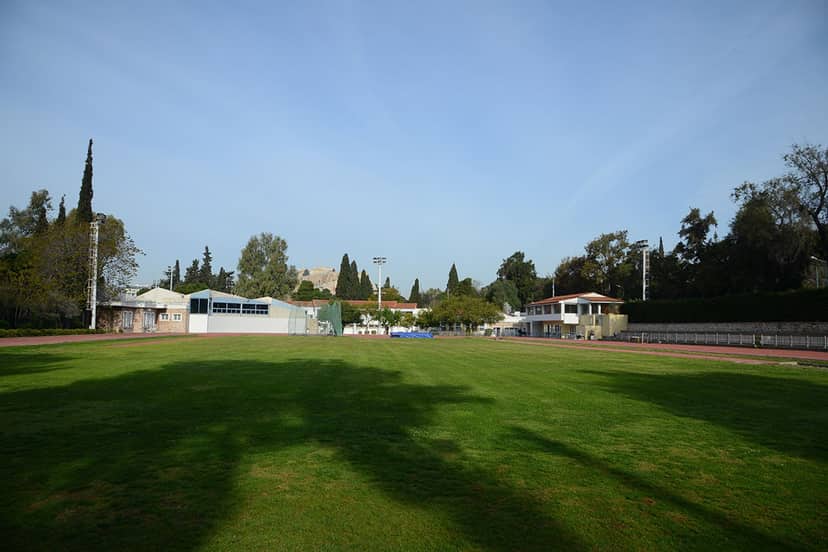
Ethnikos Sports Club
Today’s Ethnikos Sports Club (ESC) was built in 1905 when club administrators decided to move the club from its site on Kifissias…