

Academy of Athens
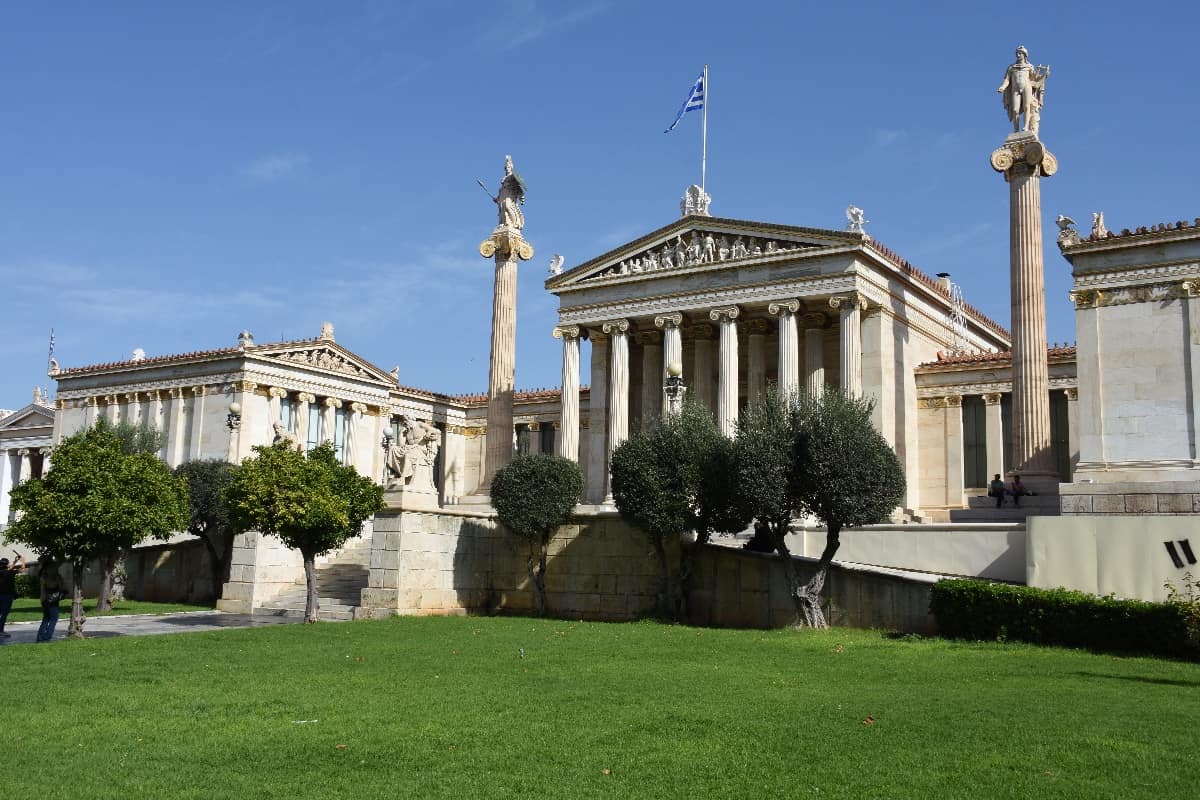
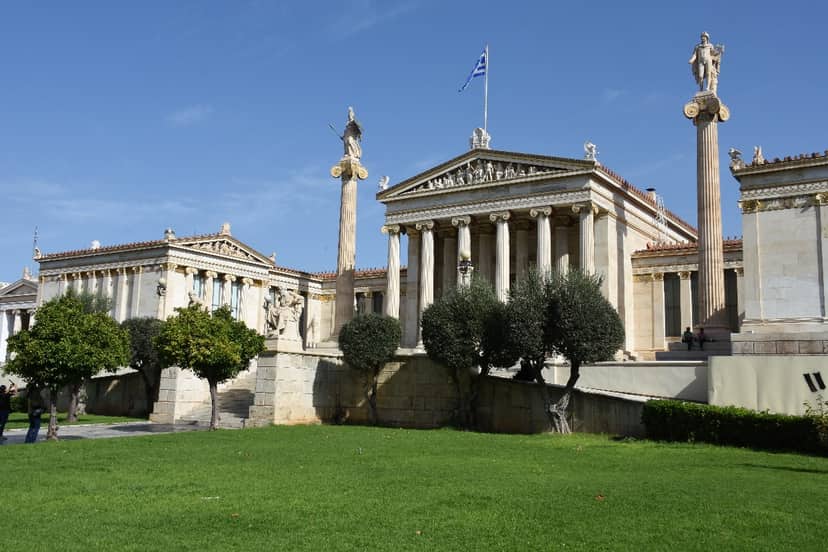
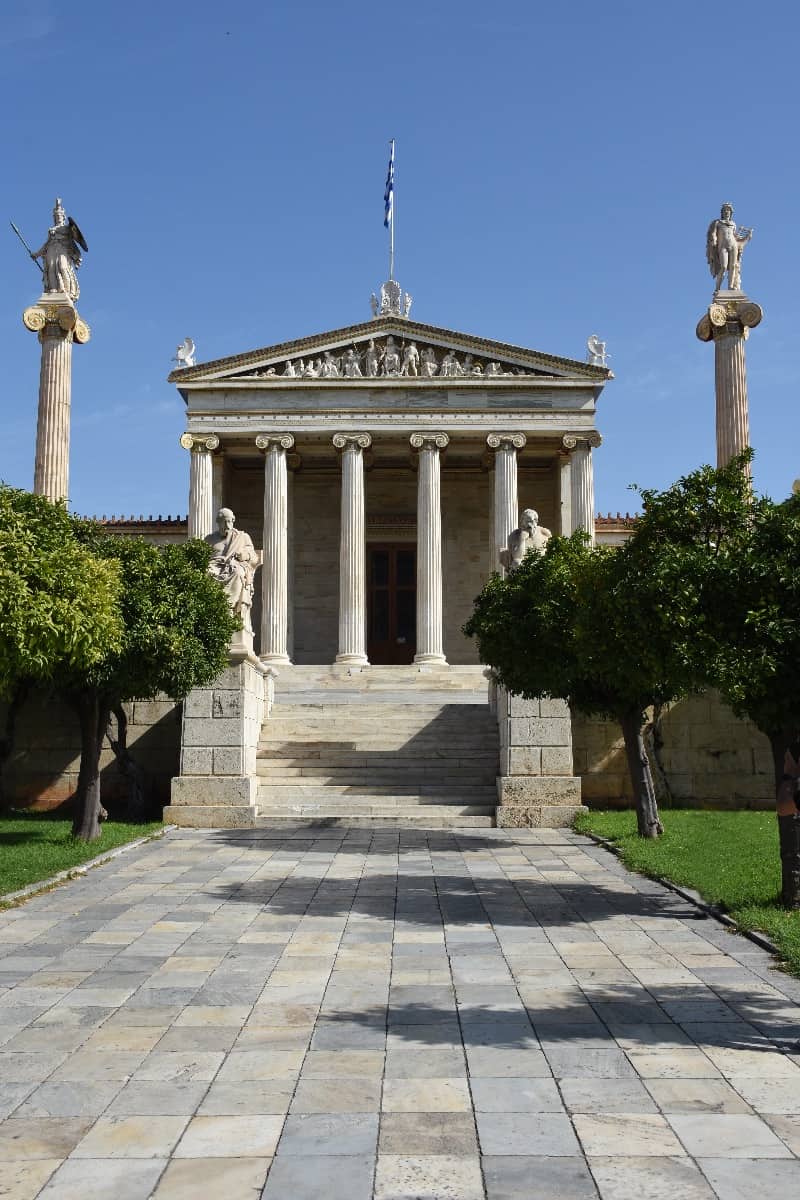
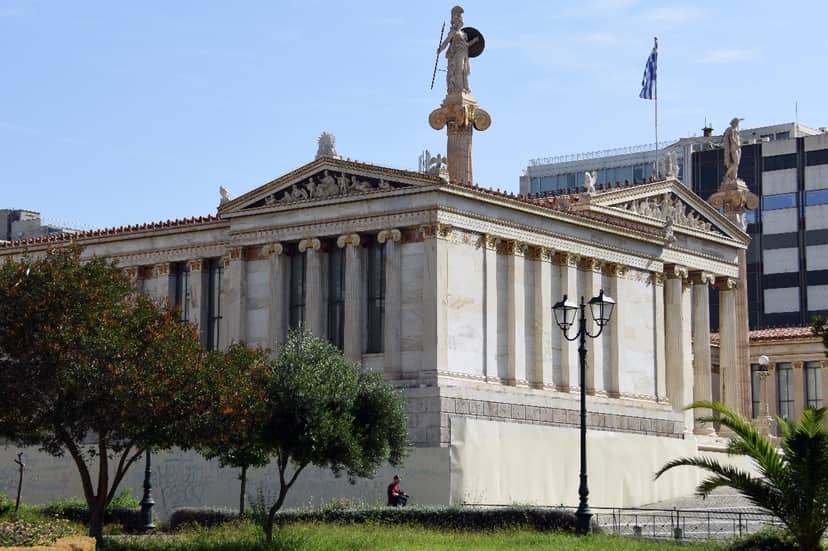
The imposing and ancient palace of the Academy of Athens was built between 1859 and 1885 with a donation from the family of the great Viennese businessman Baron Simon Sina. The plans of the famous Danish architect, Theophil Hansen, indicated the location of the Academy as early as 1842, as it was to be one of the elements of the famous “Athenian Trilogy”. Under the supervision of Ernst Ziller, Hansen delivered a living monument to the city, an iconic Ionic building with white Pentelic marble cladding and Piraeus stone plinths. To the right and left of the majestic entrance, two Ionic columns support the statues of Athena, goddess of literature, and Apollo, god of the arts, both by Leonidas Drosis.
The symbolism and references, however, continue a few meters further, on the external staircase of the entrance which is “guarded” day and night by the statues of Plato and Aristotle designed by Drosis (carved after his death). Although the building had been ready for years, it was not until 1926 that the Academy was established and began to function as the country’s highest intellectual institution.
The Academy of Athens was established by a Constitutional Decree of 18 March 1926, as the Academy of Sciences, Humanities and Fine Arts. The same Decree appointed its first members, who were all eminent representatives of the scientific, intellectual and artistic circles of the time.
Immediately after its foundation, the Academy of Athens became a member of two major international organizations: the International Union of Academies (Union Académique Internationale), and the International Council of Scientific Unions (=ICSU).
The work and the positions of the Academy of Athens continue to have an impact on Greek society. This is evidenced by the donations and legacies made by both individuals and bodies; their management allows the Academy to continue to fulfill its purpose: to support scientific research, finance publications, award scholarships and prizes.
The imposing and ancient palace of the Academy of Athens was built between 1859 and 1885 with a donation from the family of the great Viennese businessman Baron Simon Sina. The plans of the famous Danish architect, Theophil Hansen, indicated the location of the Academy as early as 1842, as it was to be one of the elements of the famous “Athenian Trilogy”. Under the supervision of Ernst Ziller, Hansen delivered a living monument to the city, an iconic Ionic building with white Pentelic marble cladding and Piraeus stone plinths. To the right and left of the majestic entrance, two Ionic column…
On the map
Experience Attica
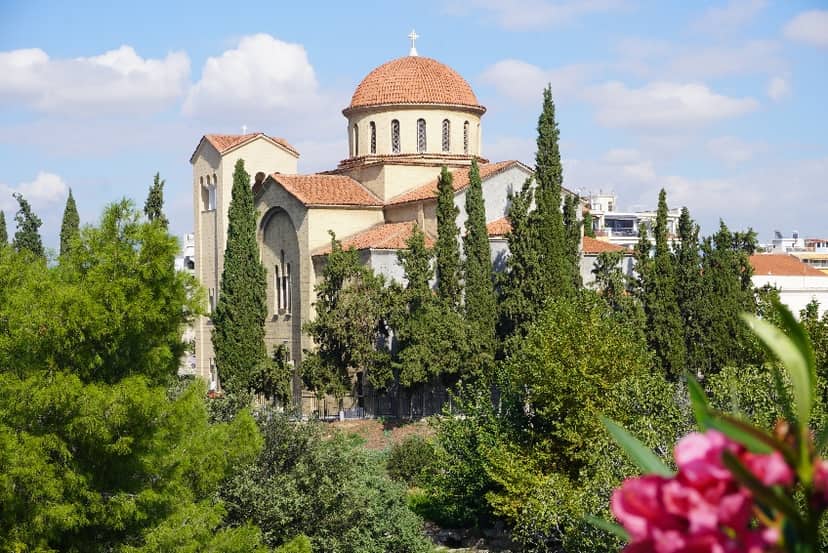
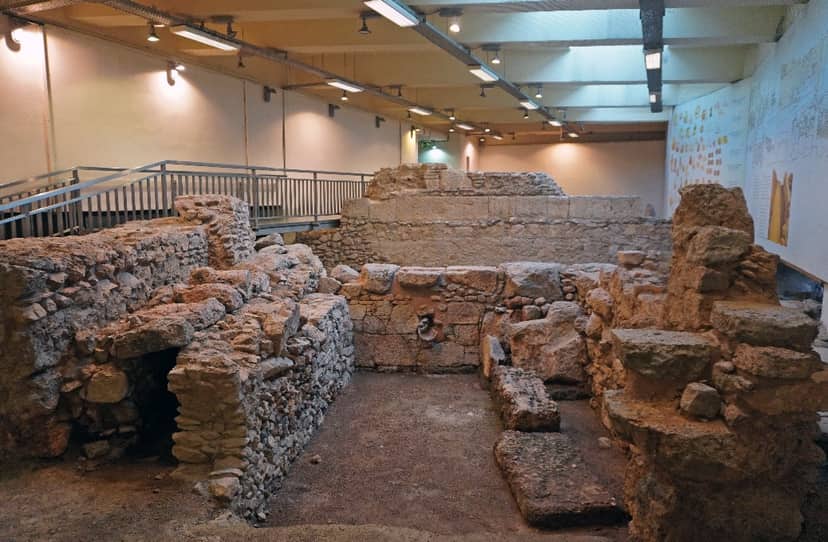
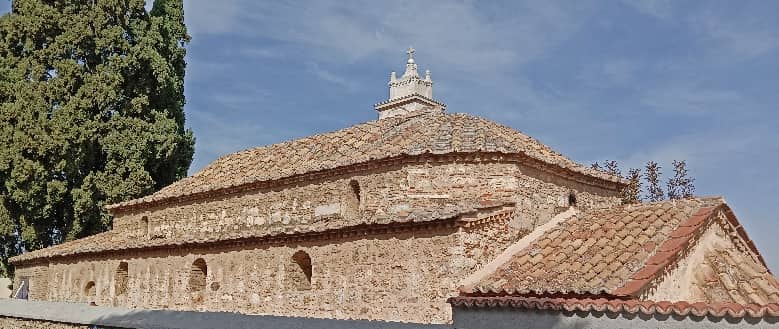
Metochi of the Holy Sepulcher (Holy Church of Saints Anargyroi)
At the northern foot of Acropolis, at the junction of Erechtheos and Prytaneio streets, the holy church of Saint Anargyroi is…