

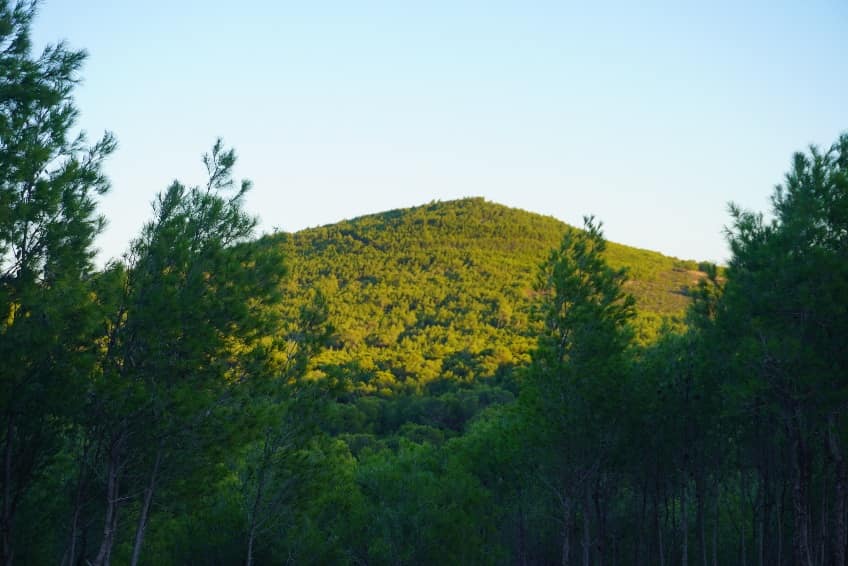
Sounio National Forest
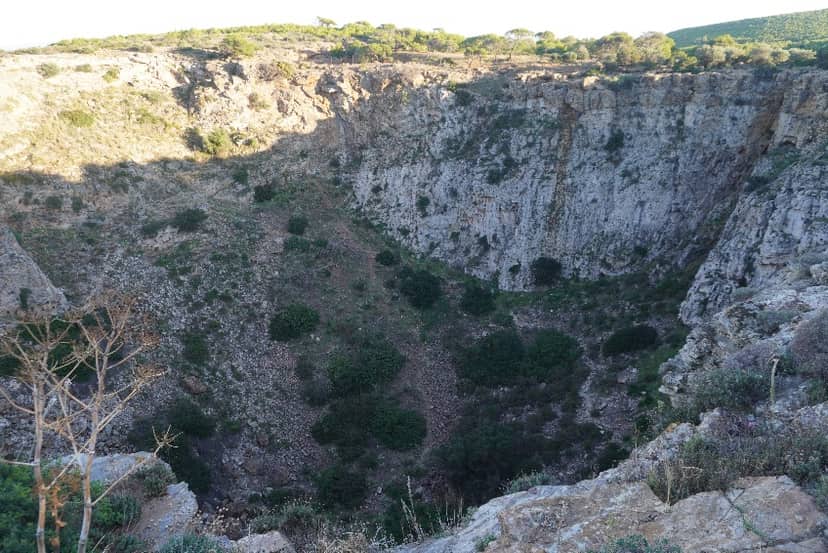
The extensive remains of ancient mines and laboratories of historical times, the “”Chaos”” that constitutes of a natural monument, and the botanical fossils that do not exist today are of particular historical, geological and paleontological interest. From the ancient marble quarries comes the marble with which the Temple of Poseidon and the sanctuary of Athenian Souniada at Cape Sounio were built.
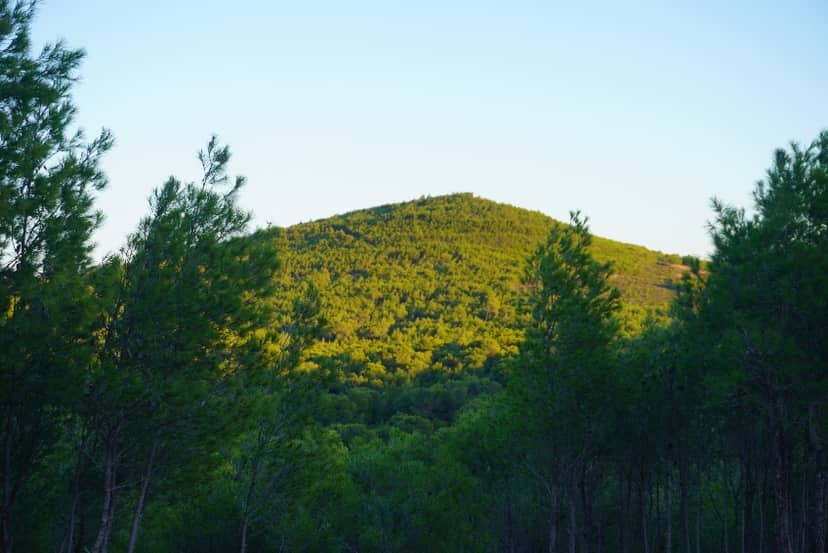
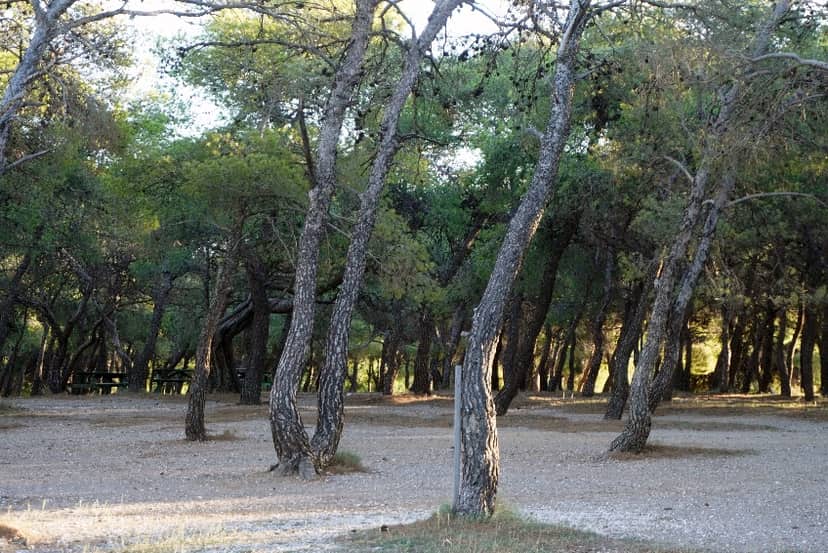
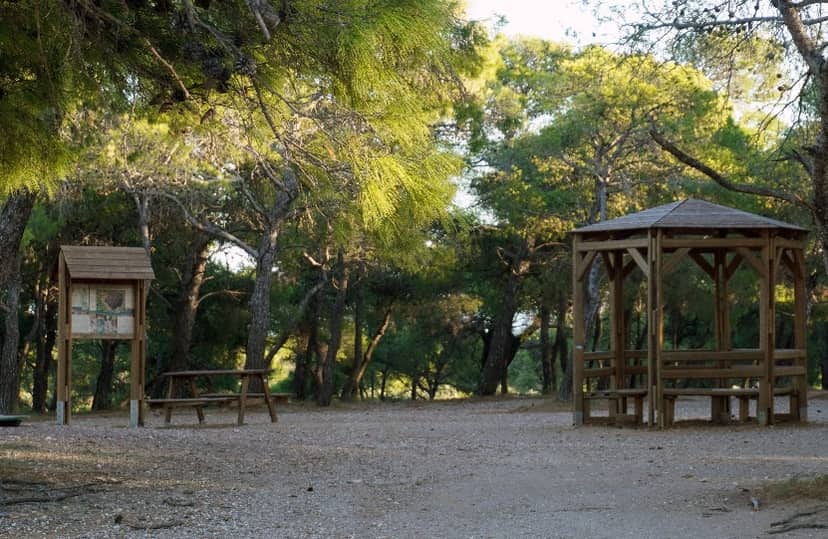
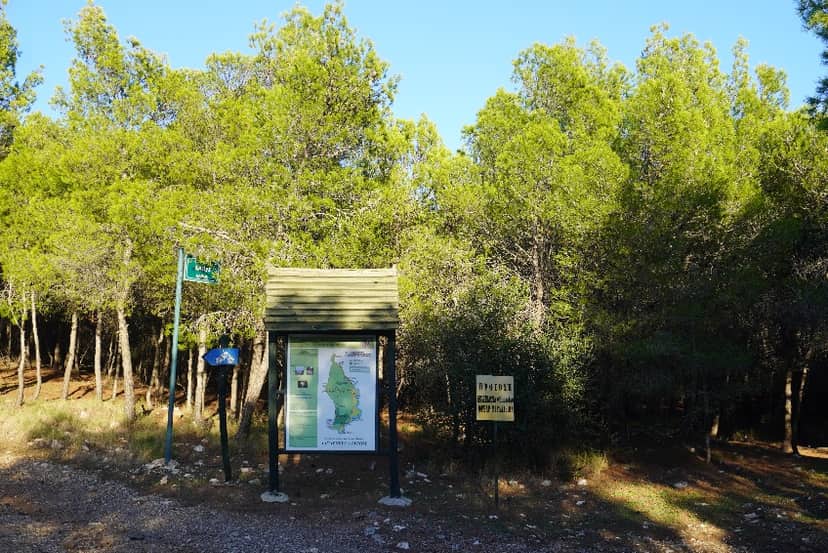
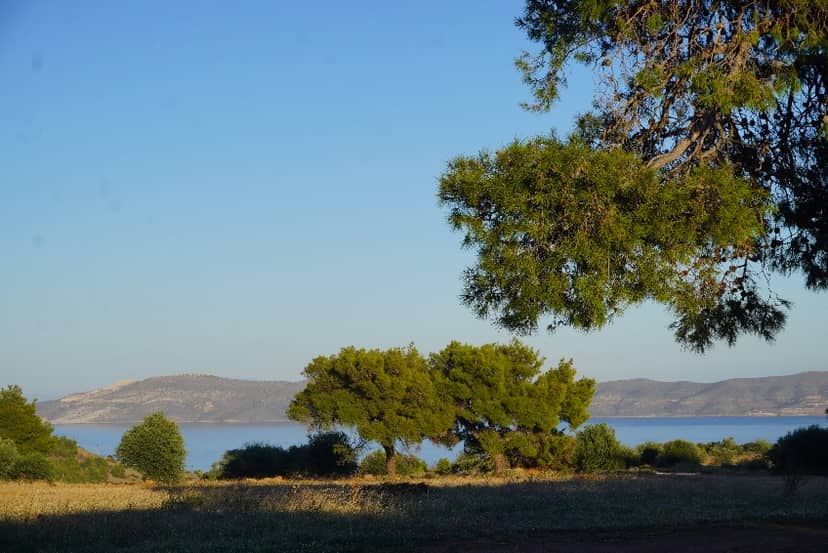
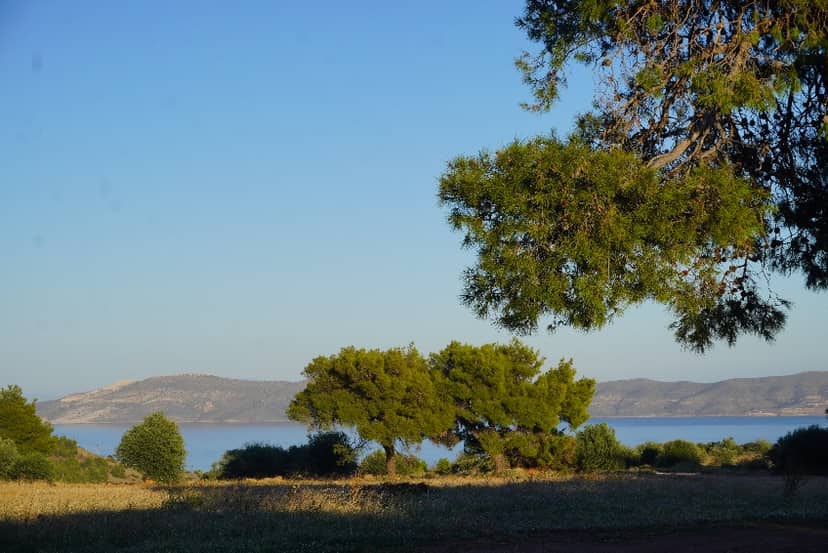
Semi-mountainous, hilly and coastal landscape with endemic and vulnerable species of flora. The largest part of the park is covered by pine forests, shrubs (Quercus coccifera, Arbutus unedo, Schinus) and bryophytes (thyme, Genista lydia, etc.). The fauna is not particularly rich in variety of species, while, apart from the fox, there are no large mammals. The avifauna is represented by common species (owls, chaffinch, etc.), but the area is a passage for migratory birds. The most notable plant is the centaurea laureotica. The forest area is easily accessible from the many forest roads that have been opened to protect the flammable vegetation from fires.
The extensive remains of ancient mines and laboratories of historical times, the “”Chaos”” that constitutes of a natural monument, and the botanical fossils that do not exist today are of particular historical, geological and paleontological interest. From the ancient marble quarries comes the marble with which the Temple of Poseidon and the sanctuary of Athenian Souniada at Cape Sounio were built. Semi-mountainous, hilly and coastal landscape with endemic and vulnerable species of flora. The largest part of the park is covered by pine forests, shrubs (Quercus coccifera, Arbutus unedo, Sch…
On the map
Experience Attica
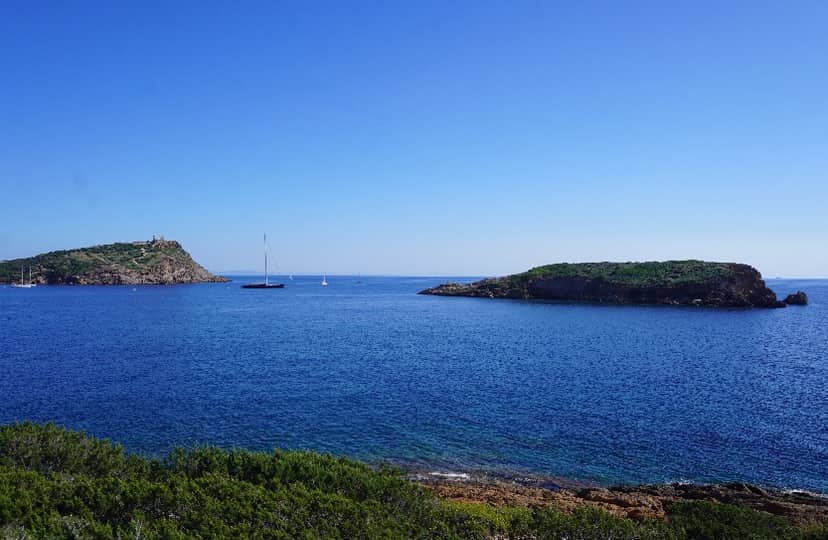
Sounion – Patroklos Island and Coastal Marine Zone (GR3000005)
The area of the protected area amounts to 5374.32 hectares. The inland part of the region has a typical Mediterranean landscape.…