

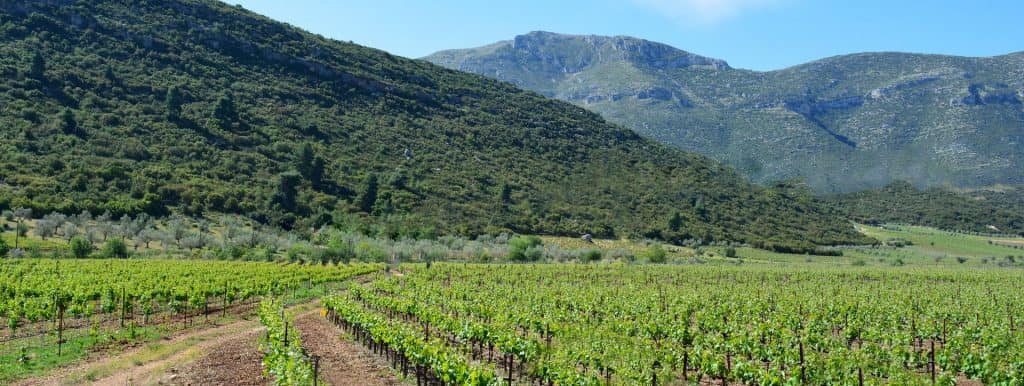
The Vineyards of Attica
According to Greek mythology, Dionysus, the god of wine and pleasure, entrusted the inhabitants of Attica with the cultivation of the vine and the art of winemaking. Wine and grapes have always been among the most important products of ancient Athens. Local wine traveled throughout the known world in Attic amphorae, while archaeological finds such as “kylixes” [drinking cups], craters and other vessels bear witness to the Greek capital’s wine history and its unique, millennia-old viticultural tradition. Today, wine producers cultivate both indigenous and imported varieties, using their know-how and continuing to experiment in order to produce top quality wines that have earned Attica a fine position on the international wine map.
The famous Retsina wine is made from Savvatiano with the addition of pine resin from Pinus Halepensis, while Kokkineli – its rosé “counterpart” – is made from Roditis. Some of today’s best Greek red wines are made from red varieties such as Mandilaria and Agiorgitiko, which grow well in the fertile soil of Attica.
Retsina is a wine with fresh resin notes that make it spicier and is the perfect accompaniment to Greek dishes with intense flavors. It has a mild aroma, the right acidity and a balanced sweetness that make it the ideal partner for seafood, oily and white fish. It is also served with strong flavored starters such as taramasalata, octopus and risotto, as well as tarts and poultry. Cod with skordalia, fried small fish, meatballs, tzatziki, vegetables stewed in olive oil (lathera), all need a white resinous wine to bring out their full flavor.
There are 20 registered entries in the Ministry of Agriculture and in the EU database (e-ambrosia) of Attica wines that belong to the Protected Geographical Indications (PGI) of Attica, of which 9 concern the type of Retsina:
PGI Retsina of Markopoulo (Attiki)
PGI Retsina of Mesogeia (Attiki)
PGI Retsina of Paiania (Attiki)
(PGI Retsina of Pallini / PGI Retsina of Pallini (Attiki)
PGI Retsina of Pikermi (Attiki)
The Lazaridis Family Wine Museum is located in Kapandriti. Through images, objects and maps, the visitor is introduced to the history of the vine from antiquity to the present, its symbolic role over time and Greece’s position on the wine map. The museum also has information and artifacts on the factors that influence wine, vinification, distillation, balsamic vinegar production, barrel making, corks and wine openers. Kostas Lazaridis Family Wine Museum: 2 km Kapandritiou Kalamos Road, Kapandriti Attica, tel.: +30 22950 52213-4
There are dozens of wineries in all the regional units of Attica that offer visitors the opportunity to take a guided tour of their vineyards, production areas and cellars and enjoy a unique tasting experience of local wines and the history that links them to the Attic land.
North and northeast Attica is the coldest zone, which includes the mountains of Penteli and Parnitha. The climate is less influenced by the sea and has continental characteristics. Temperatures during the evening hours are significantly lower than during the day, relieving the plants from the midday heat and allowing the grapes to maintain a higher acidity and develop a delicate aromatic potential.
Here the grapes ripen more slowly, unlike in Mesogeia, where the grapes can reach a high degree of ripeness very quickly, even at the beginning of August. Savatiano in Stamata, for example, will rarely exceed 12% alcohol by volume, even in warm years. The soils in Parnitha and Penteli are mainly barren. The vines are linear and the best ones are sloping. Here Cabernet Sauvignon, Chardonnay and Sauvignon Blanc have gained a special reputation. The PGI slopes of Pendelikon are used only for the production of still white wines, while the PGI slopes of Parnitha are used for the production of still wines of all three color varieties.
In southeastern Attica, the dominant grape variety is Savatiano, which ripens quickly. The first important sub-region is the plain of Mesogeia, which extends south of Mount Penteli and east of Athens. Mesogeia is the warmest of the three sub-regions, with coastal vineyards cooled by sea breezes. Almost half of the region’s vineyards are arid, making the vines vulnerable to prolonged drought, especially in hot years.
Mesogeia is considered the most important and historic vineyard of Attica, with several old “cup-shaped” trained vineyards. The relocation of Athens International Airport to Spata and the creation of the Attica Highway have made access much faster and easier, but have also led to infrastructural changes in the area, resulting in many historic vineyards either being lost or swallowed up by a new suburban landscape.
In addition to Savatiano, there are Malagouzia, Assyrtiko and Roditis in the area, while the PGI Markopoulo, Pallini, Spata and Anavissos refer exclusively to still white wines. In Mesogeia, there are also several PGIs dedicated exclusively to Retsina. These are the PGI Retsina Koropi, Markopoulo, Spata, Peania, Pallini and Pikermi.
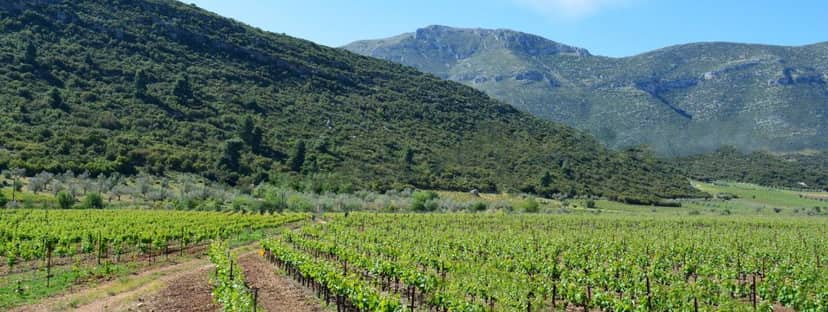
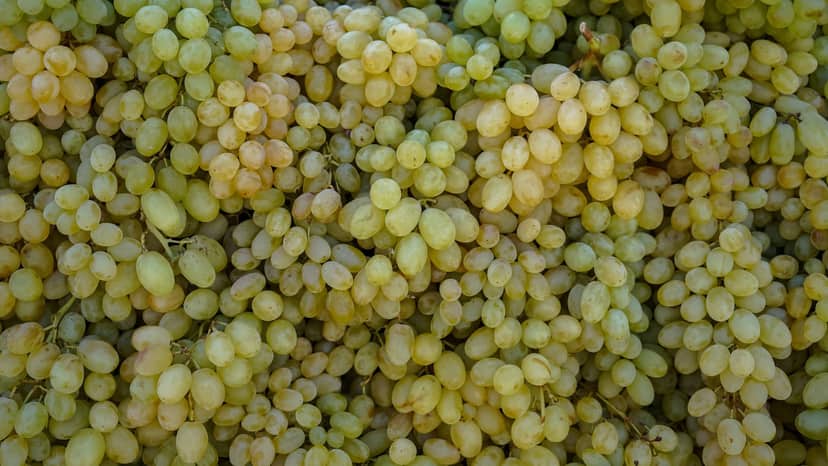
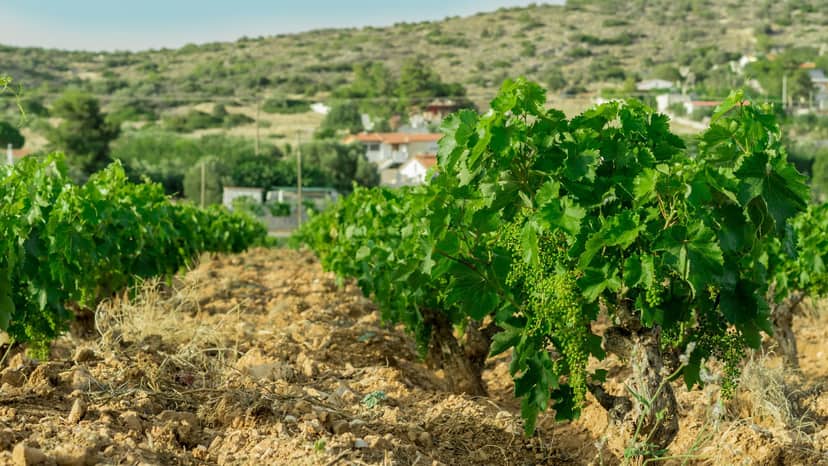
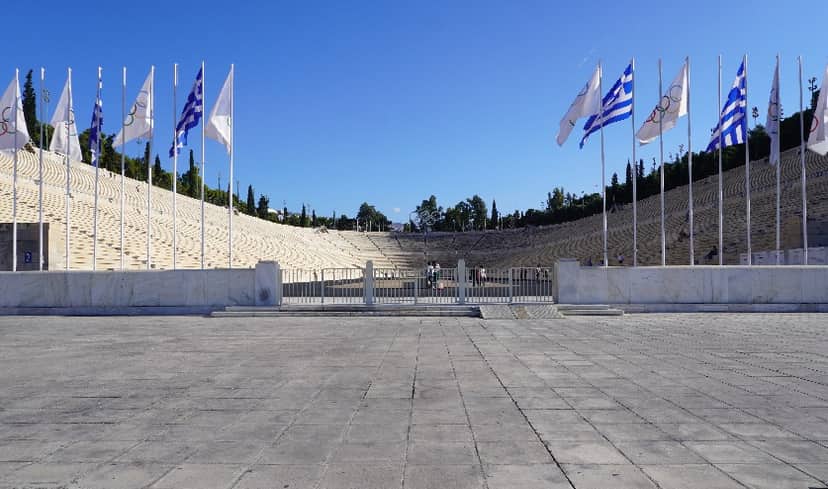
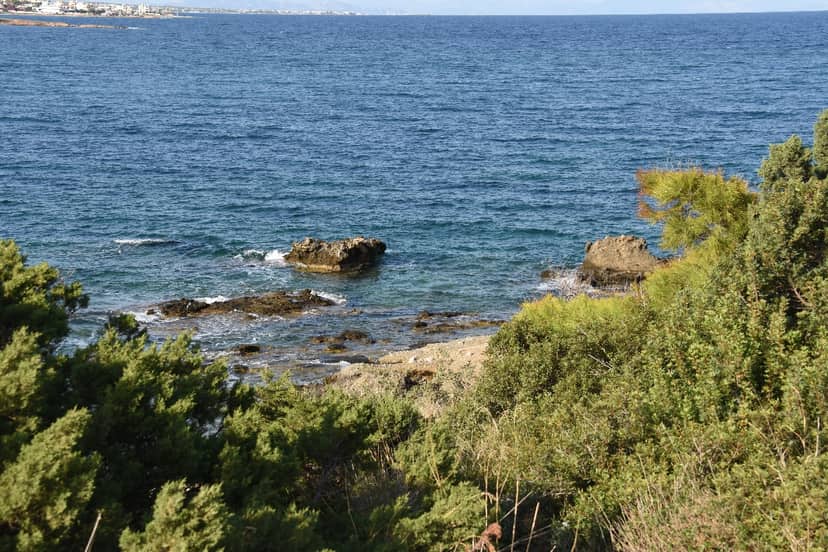
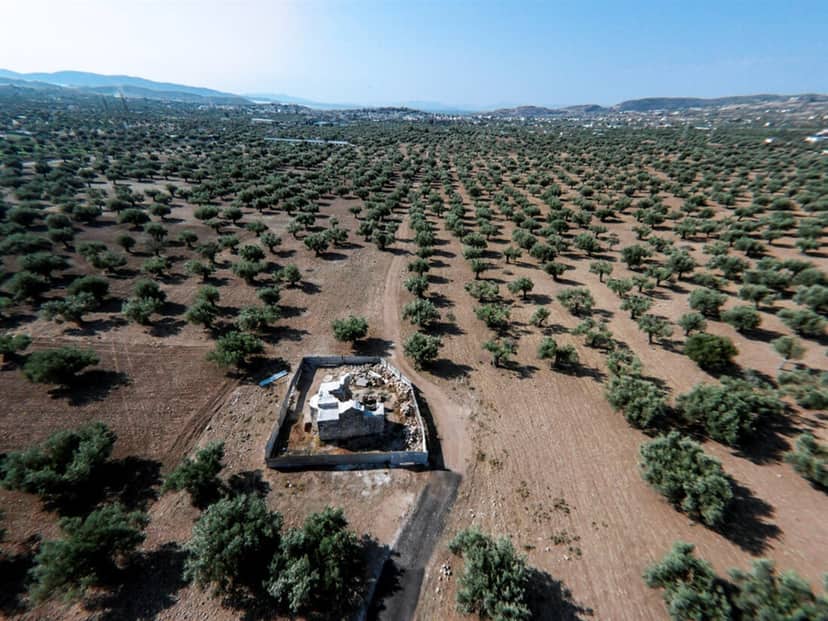
*The photos and the geographical identification of the point are indicative, as the vineyards and wineries mentioned in the text exist in different regions of Attica.
According to Greek mythology, Dionysus, the god of wine and pleasure, entrusted the inhabitants of Attica with the cultivation of the vine and the art of winemaking. Wine and grapes have always been among the most important products of ancient Athens. Local wine traveled throughout the known world in Attic amphorae, while archaeological finds such as “kylixes” [drinking cups], craters and other vessels bear witness to the Greek capital’s wine history and its unique, millennia-old viticultural tradition. Today, wine producers cultivate both indigenous and imported varieties, using their know…
On the map
- www.visitgreece.gr/el/experiences/gastronomy/greek-wines/vineyards_of_attica
- ec.europa.eu/agriculture/eambrosia/geographical-indications-register
- www.minagric.gr/images/stories/docs/agrotis/POP-PGE/2021/lista_Pge_010324.pdf
- winesofgreece.org/el/regions
- www.travel.gr/food_and_drink/wine-spirits/oi-ampelones-tis-attikis-kai-i-makraion/
Experience Attica
Olive Groves of Attica
The olive tree is considered the sacred tree of Athens, protected by the goddess Athena, who offered its fruit to the ancient…