

Customs and traditions in Attica: Live the most authentic experiences!
No matter where you are in Attica, no matter what the season, you will come across the revival of an old custom. Here, traditional culture is still alive, giving colour to modern everyday life. Experience unique moments, become one with the locals and feel that you, too, are a part of this place!
People in Attica love their church festivals. And they have every reason to do so: colourful bazaars, local delicacies, plenty of drink and dance! Here, every church celebrates the saint it is dedicated to. Don’t miss the age-old custom called “Korbani” in East Attica, with the stew that slowly cooks all night in huge pots, to be shared with the visitors the following day, at the great feast that takes place at the courtyard of the church.
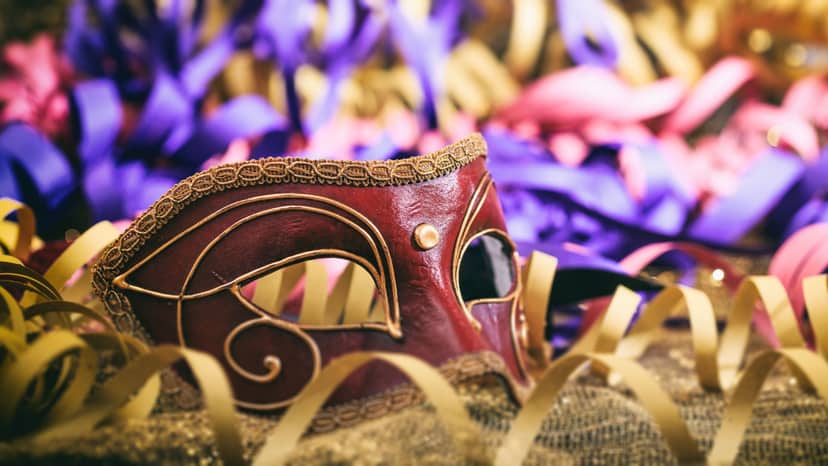
Maskers are everywhere in the streets and impressive parades with floats, like the ones in Moschato and Agios Ioannis Rentis in Athens, or traditional maypoles in Chora and Potamos in Kythira. Carnival in Spetses means huge celebrations with food and wine in Dapia before the carnival king is burnt on the beach of Agios Mamas. On the streets of Salamina, you will be offered delicious wine, pasta with cheese and “galaktoboureko”, a Greek pastry of phyllo dough and custard. Are you convinced yet?
On Ash Monday, the whole of Attica is out… in the countryside! Picnics with fasting food, such as shellfish, “lagana” bread and “taramosalata” spread. At the same time, the sky is filled with colourful kites. Where? Everywhere! From Filopappou Hill to Salamina you will come across these outdoor feasts with wine and dancing!
Easter in Attica is pure… magic!
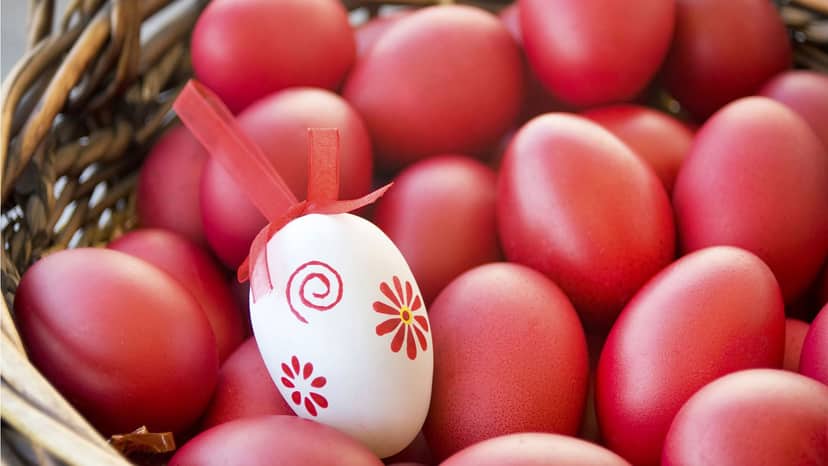
Probably the best time of year to visit Attica! Good Friday is reverent: the Epitaph procession, with the faithful carrying lit candles. On the night of the Resurrection the atmosphere changes, the sky is filled with light and colourful explosions of fireworks, while many churches preserve the custom of the burning of Judas. At the church of “Analipsis” in Spetses, young people burn a boat in the courtyard, while in “Agios Ioannis” in Hydra the “sea Epitaph” is immersed in the port waters to sanctify them.
The morning of Easter Monday, the “Easter Dance” (Choros tis Lampris) takes place in front of the little church of Timios Stavros in Palaeochora in Aegina, with Greek folk music and dancing. The same day, another old custom revives in Megara, the so-called “Roussalia“: a group of young men in traditional costumes wander in the town’s neighbourhoods, singing and dancing in circles. On Easter Tuesday the people in Megara dance the “Trawl Dance” (Choros tis Tratas) which dates back to the period of Ottoman rule in Greece. The way dancers hold hands and move their bodies mimics the hauling of fishing nets, hence the name “trawl dance”.
May day with flowers and… givings
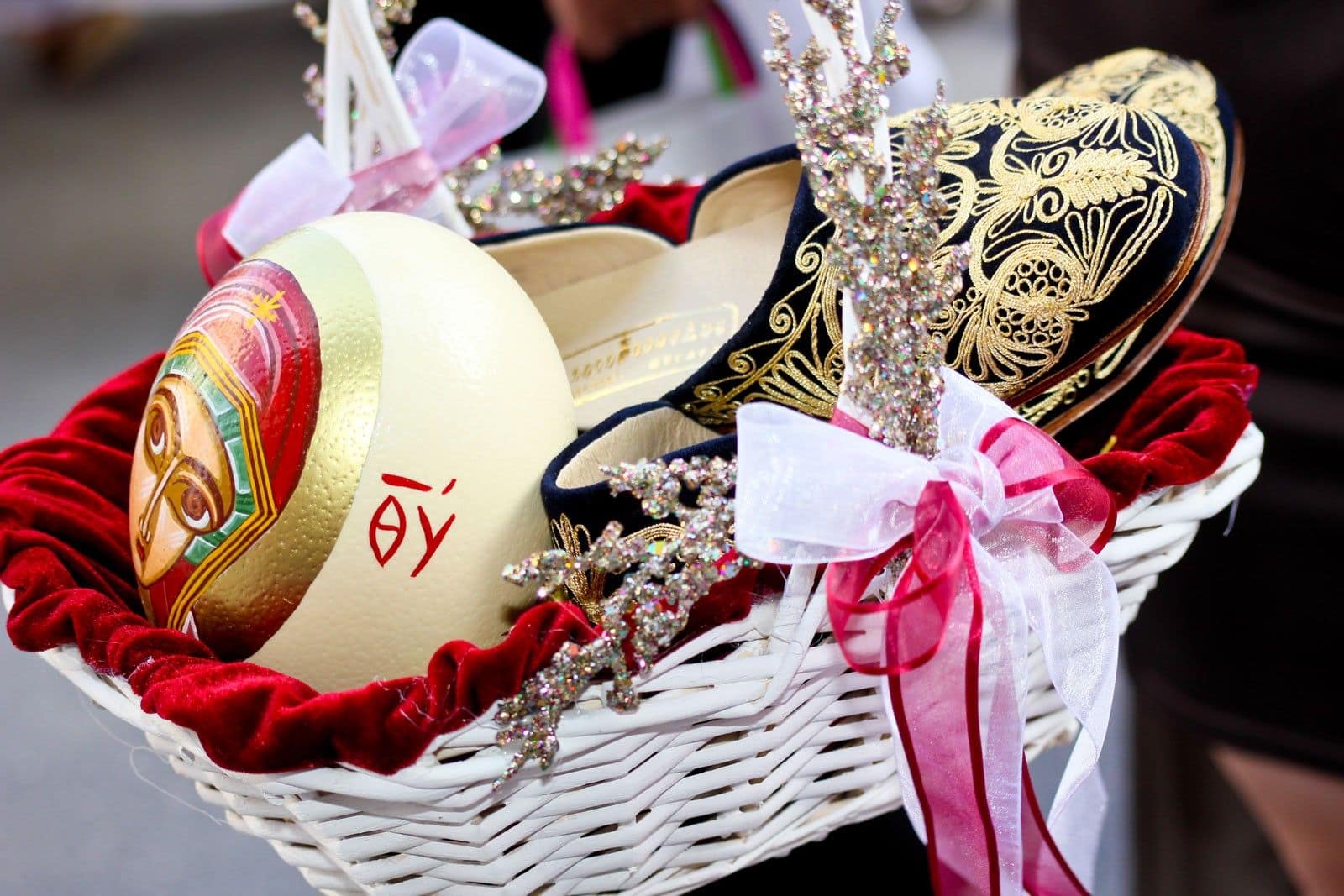
Nature is at its best and all houses in Attica are adorned with beautiful flower wreaths. In Panagia Armata in Spetses, children tie the “paliotenekedes” (old cans) to the back of their bicycles. In Megara, the day before May the 1st, the engaged young women and their girlfriends put on the traditional local costume (“katifenia”) and start for the groom’s house. The “Katifenies” are escorted by a young boy. The procession carries a May flower wreath and a basket that contains Easter eggs, Easter breads and a bottle of wine.
On Christmas and New Year’s Eve, in every neighbourhood of Attica, children visit one house after the other singing the Christmas carol. Traditionally, people here eat pork at Christmas, rather than turkey and – mainly on the islands – they decorate a boat, rather than a tree! On New Year’s Eve, after the feast comes the New Year’s cake (“vasilopita”) and everyone wishes for the slice with the hidden coin, for good luck. An integral part of the year’s first day is the “podariko” (first-foot), as well as the smashing of pomegranate, for good luck and prosperity.
Experience Attica

Easter in Attica
During Holy Week worshippers attend the Divine Liturgies and participate in the ecclesiastical rituals. The mood slowly changes…