

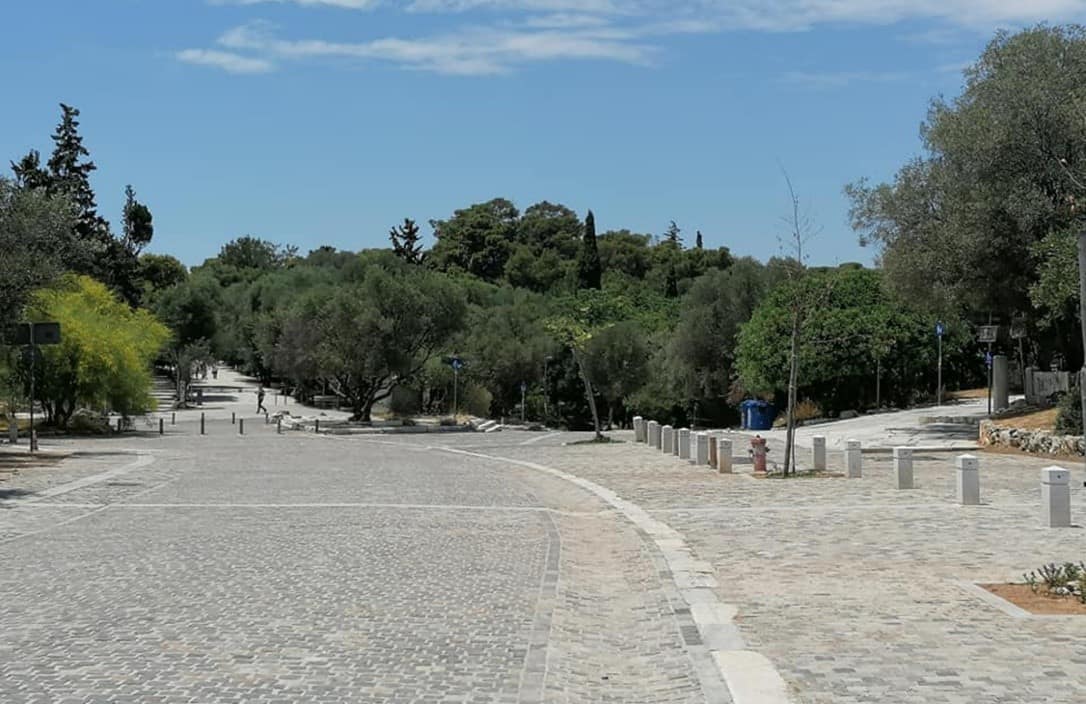
Dionysiou Areopagitou Pedestrian Street
Dionysiou Areopagitou Pedestrian Street
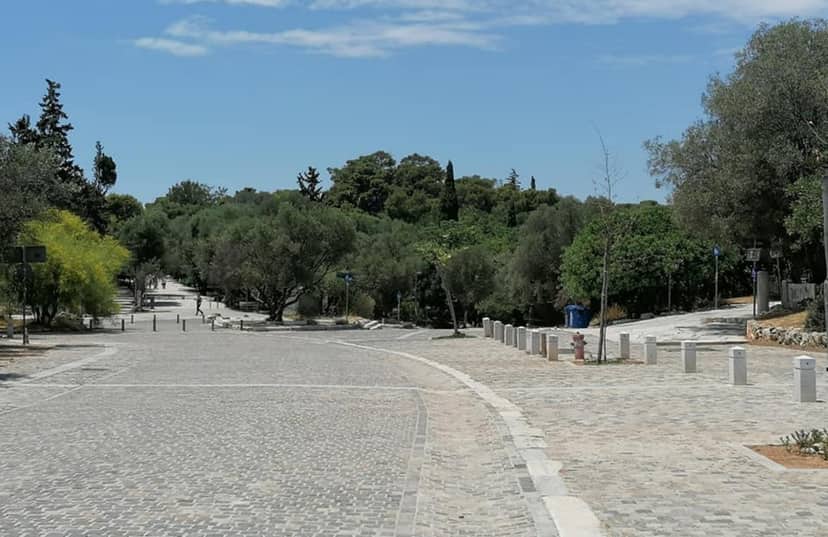
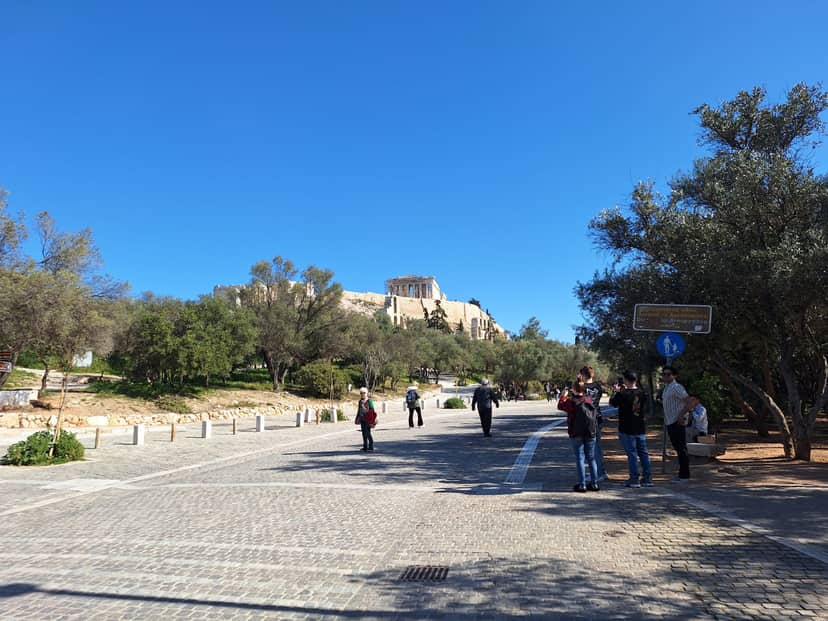
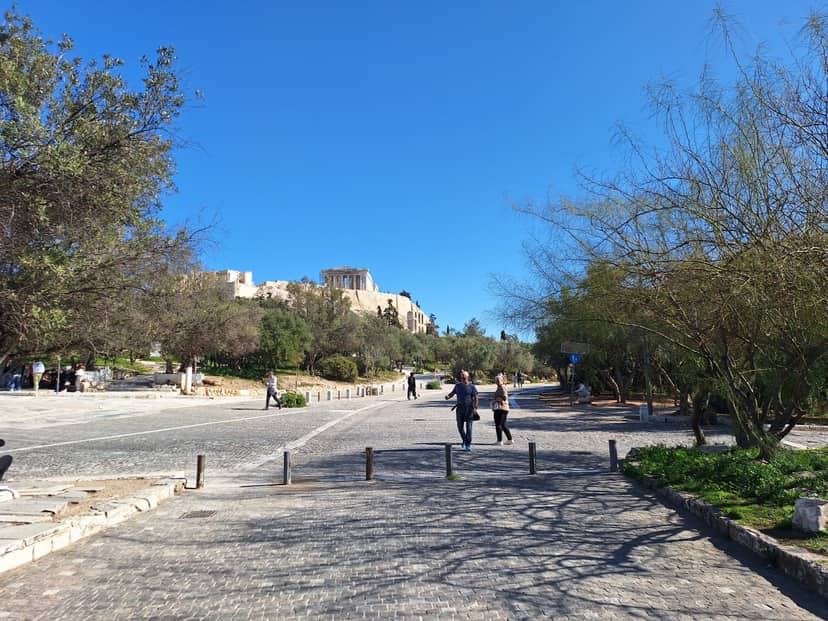
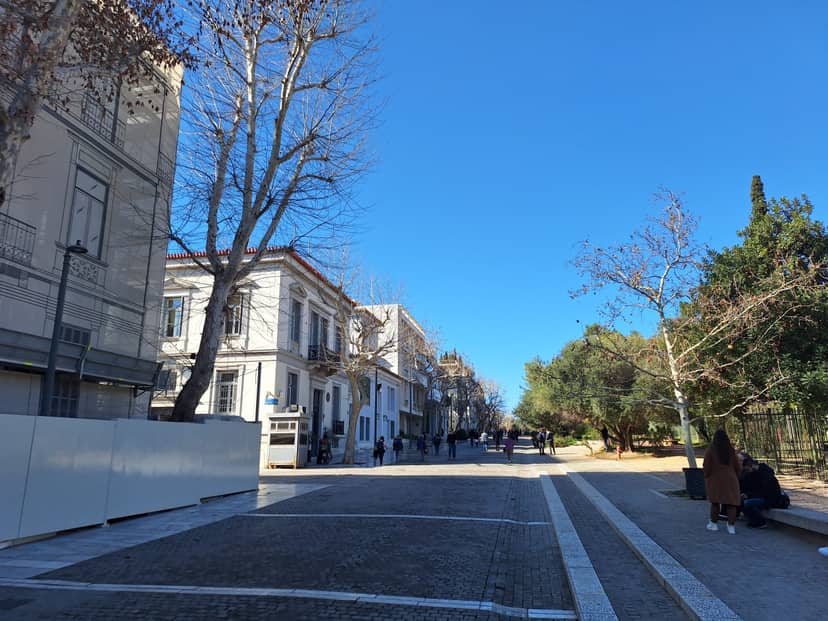
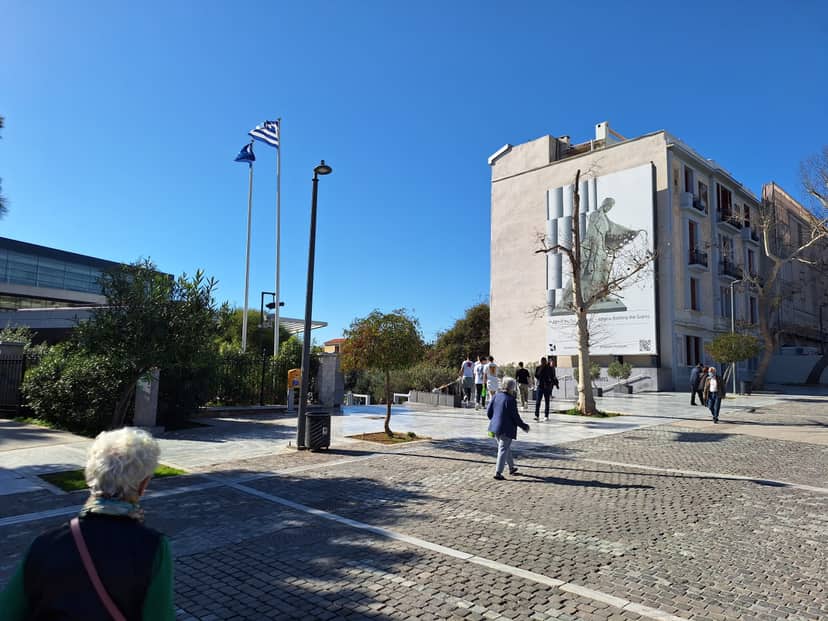
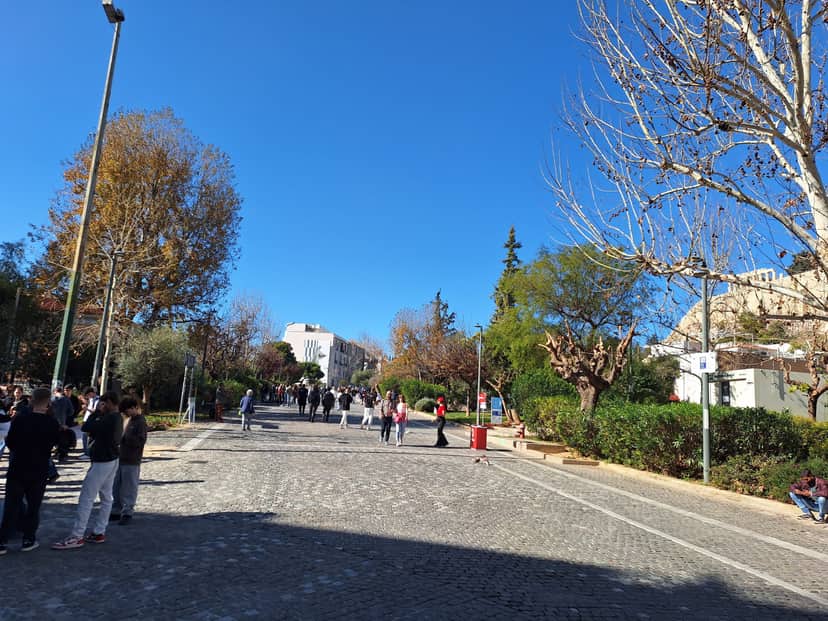
Dionysiou Areopagitou Pedestrian Street starts from Amalias Avenue, opposite the Temple of Olympian Zeus and Hadrian’s Arch, and continues to the next pedestrian street, Apostolou Pavlou, and ends at Thission. Dionysiou Areopagitou Street existed as a road from ancient times until the 5th century AD as a ring road on the south side of the Acropolis. The road disappeared over time and was reopened in 1857, and a few years later it received its current name, referring to the Athenian Dionysios, who, along with his wife Damari, was among the first to convert to Christianity during the visit of the Apostle Paul to Athens in 50 AD. He was bishop of the city of Athens and was declared a saint after his martyrdom by fire during the reign of Domitian.
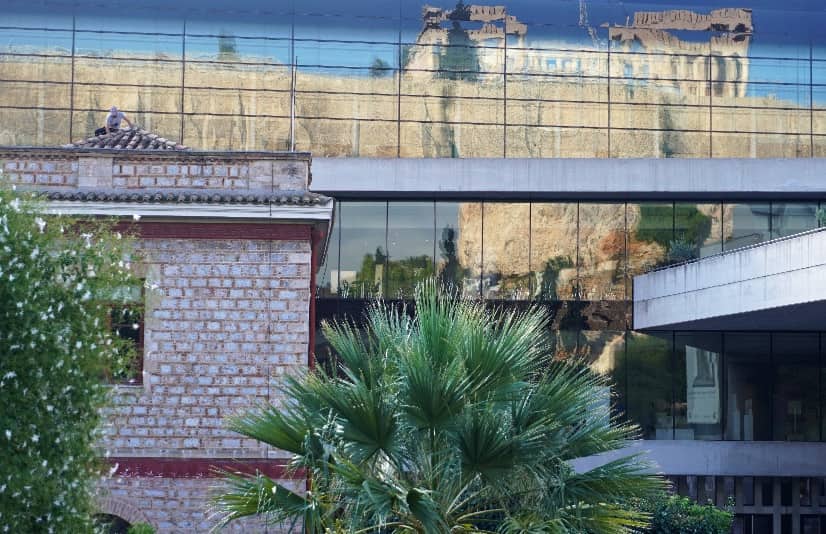
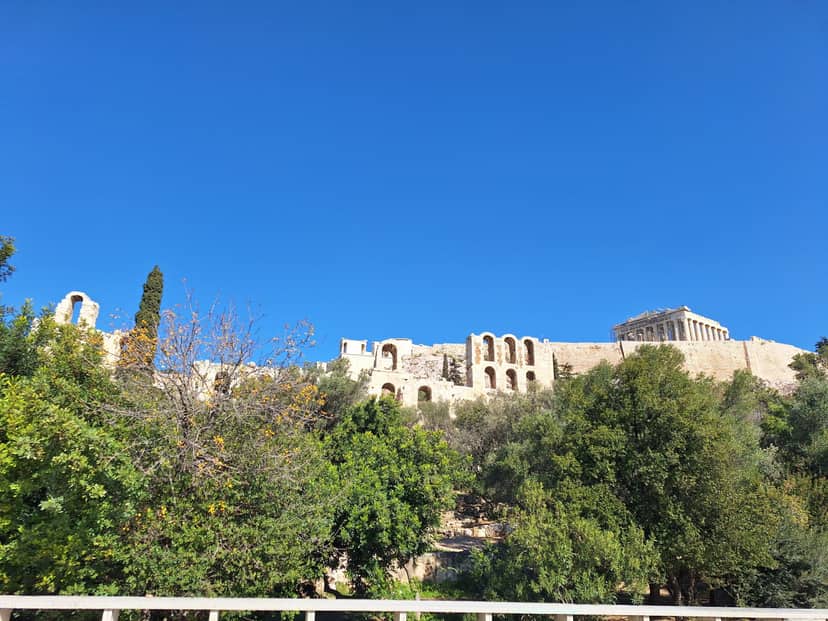
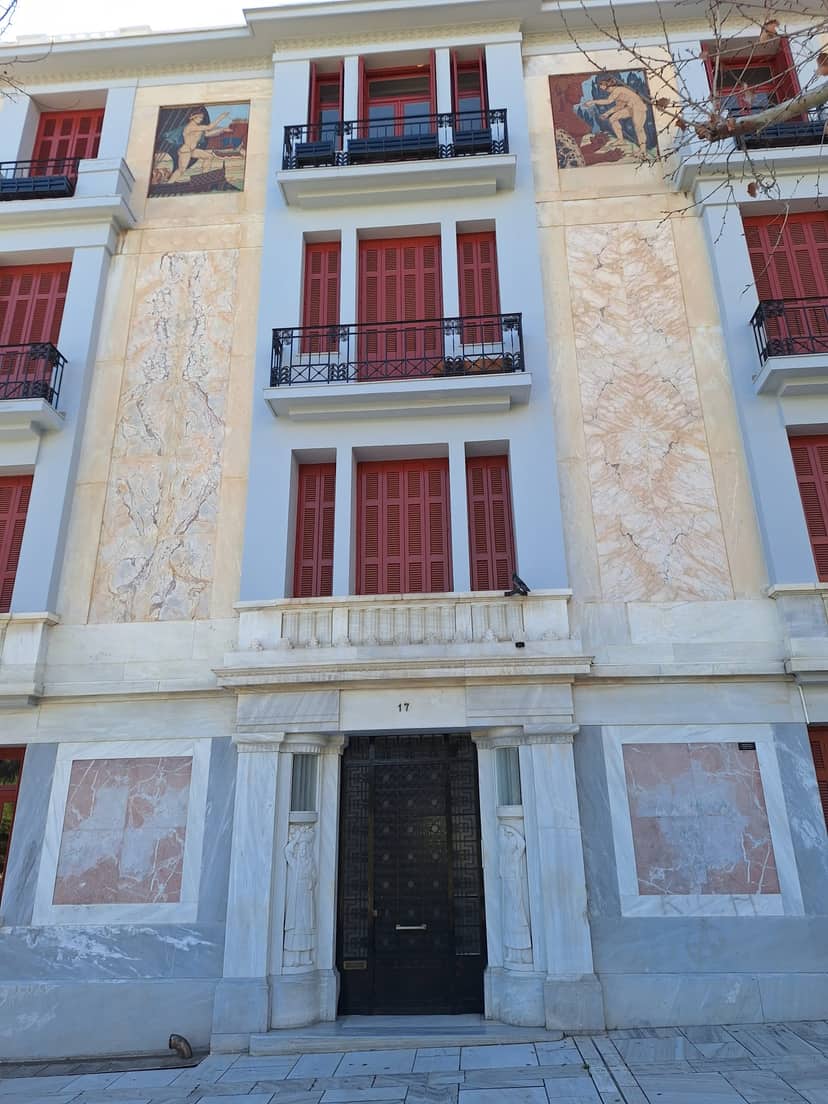
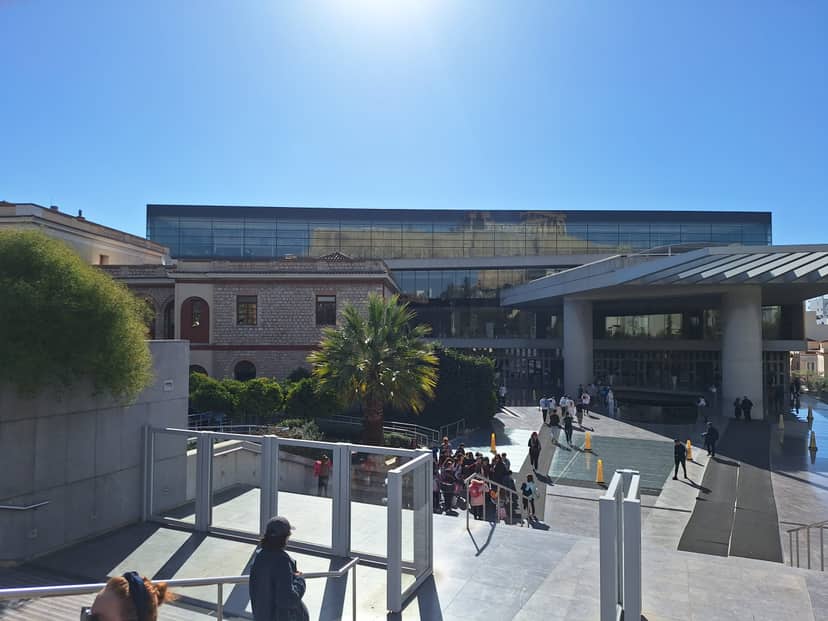
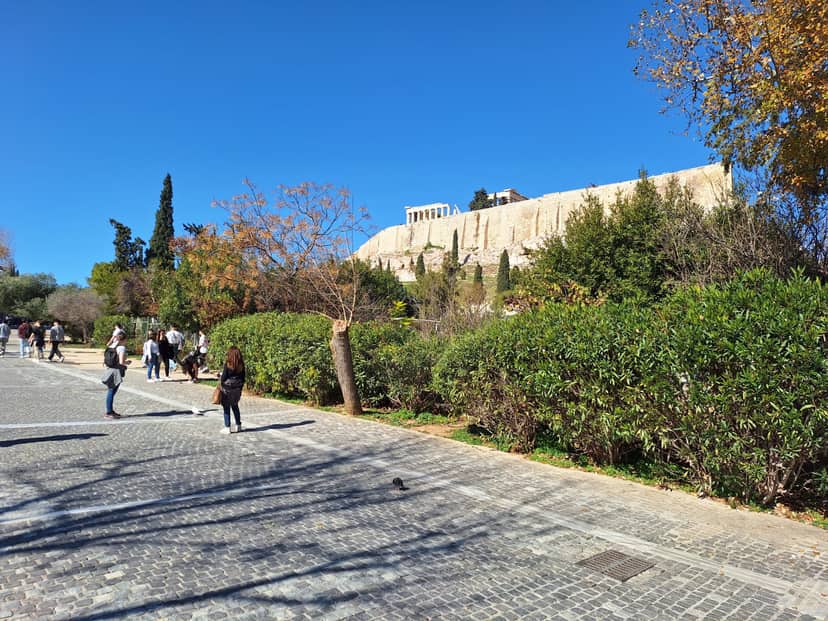
They are followed by the beautiful chapel of Saint Georgios, nestled in the foliage of the museum courtyard, and the chapel of Agioi Anargyroi, followed by some of the most important neoclassical buildings in Athens. The route is completed, from the left side, with the building of the Scout Club, the “Meropion” Elderly Care Institution and finally the building that houses the Ephorate of Underwater Antiquities. Going up Dionysiou Areopagitou Street and now from the right side, one has the feeling of entering an amazing theatrical setting, looking at the immortal monuments of the ancient times, with the monumental complex of the Parthenon, the Odeon of Herodes Atticus, the monuments of the southern slope of the Parthenon, the sponsor monument of Thrasyllus, the trace of the house of the Neoplatonic philosopher Proclus. From there, the visitor can go up to the left to the hill of Filopappou, to the right to the Acropolis, to the Areopagus or to the ancient Agora, while going straight on the pedestrian street of Apostolou Pavlou towards Thission.
Dionysiou Areopagitou is inextricably linked with music through the Odeon of Herodes Atticus, where the most important events of the Athens Festival take place. The performances in this wonderful theater, in the shadow of the Parthenon, are one of the most beautiful experiences of the summer nights in Athens. But also outside the Odeon of Herodes Atticus, this street is ideal for street performers to set up small performances and happenings, and for street artists to flood the atmosphere with notes or their beautiful voices, making this walk even more beautiful and enjoyable.
Source: MAKRYGIANNI – ACROPOLIS, Vougiouka Maro, Megaridis Vassilis, PHILIPPOTI Publications, Athens 2007
Dionysiou Areopagitou Pedestrian Street Dionysiou Areopagitou Pedestrian Street starts from Amalias Avenue, opposite the Temple of Olympian Zeus and Hadrian’s Arch, and continues to the next pedestrian street, Apostolou Pavlou, and ends at Thission. Dionysiou Areopagitou Street existed as a road from ancient times until the 5th century AD as a ring road on the south side of the Acropolis. The road disappeared over time and was reopened in 1857, and a few years later it received its current name, referring to the Athenian Dionysios, who, along with his wife Damari, was among the first to co…
On the map
Experience Attica
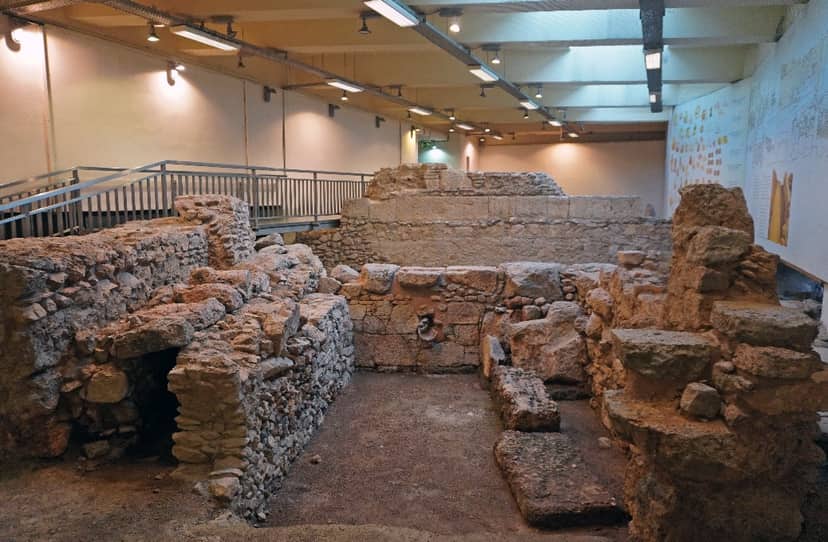
Monastiraki Metro Station- Eridanos River
Monastiraki metro station is historical and one of the oldest on the Piraeus-Kifissia line. It was inaugurated on May 17, 1895…