

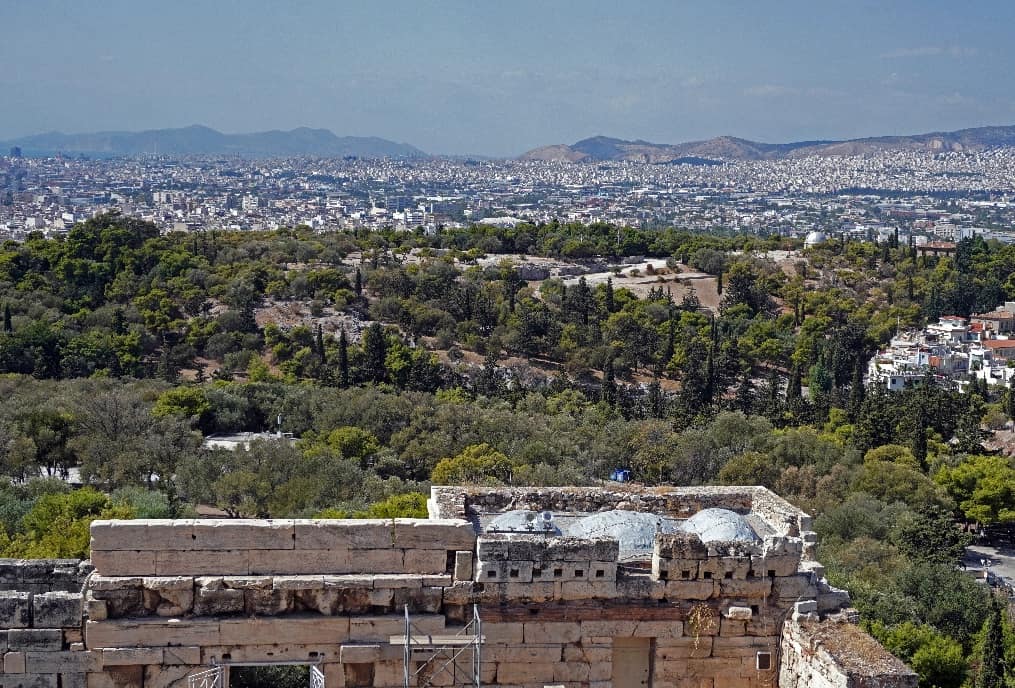
Pnyx
On the west side of the Acropolis, halfway between the Hill of the Muses (Philopappou Hill) and the Hill of the Nymphs (Observatory), is the plateau of the Pnyx. Thanks to its shape and size, it was chosen in ancient Athens as a meeting place for the citizens, as the seat of the Assembly of the Athenians.
According to historical reports, the operation of the area dates back to the end of the 6th century, the era of the reforms of Cleisthenes (508 BC). Although the use of the space at that time was occasional. This explains the lack of archaeological findings. The first findings date back to the 5th century BC. Apart from its historical value as an archaeological site, Pnyx has another extremely important historical record. It is the place where the transition from polytheism to Christianity began.
On the west side of the Acropolis, halfway between the Hill of the Muses (Philopappou Hill) and the Hill of the Nymphs (Observatory), is the plateau of the Pnyx. Thanks to its shape and size, it was chosen in ancient Athens as a meeting place for the citizens, as the seat of the Assembly of the Athenians. According to historical reports, the operation of the area dates back to the end of the 6th century, the era of the reforms of Cleisthenes (508 BC). Although the use of the space at that time was occasional. This explains the lack of archaeological findings. The first findings date back t…
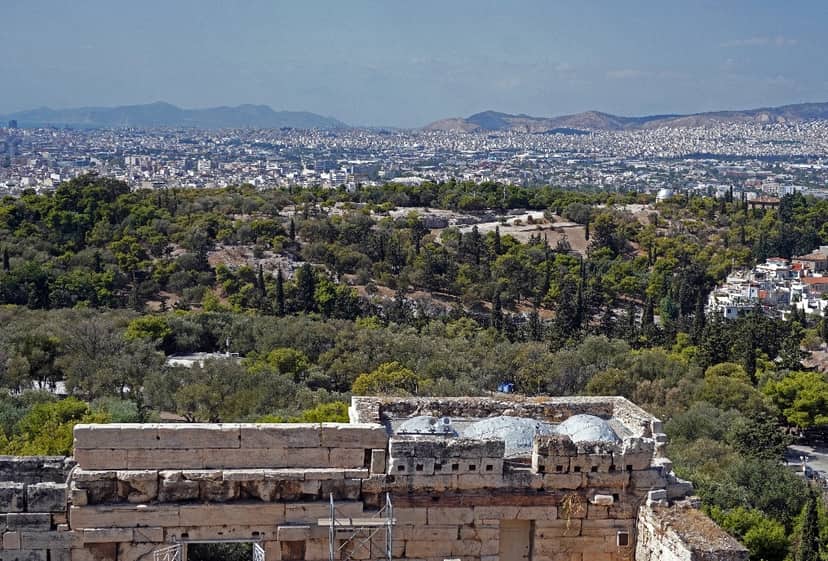
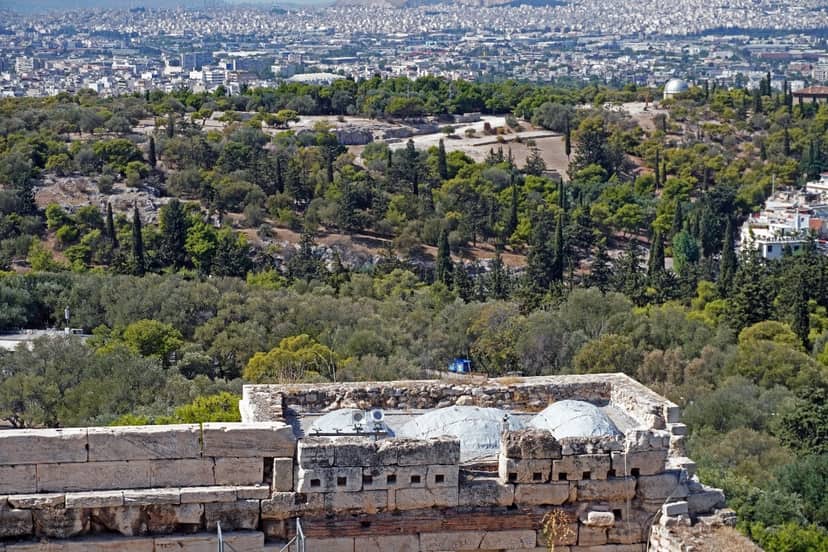
On the map
Experience Attica
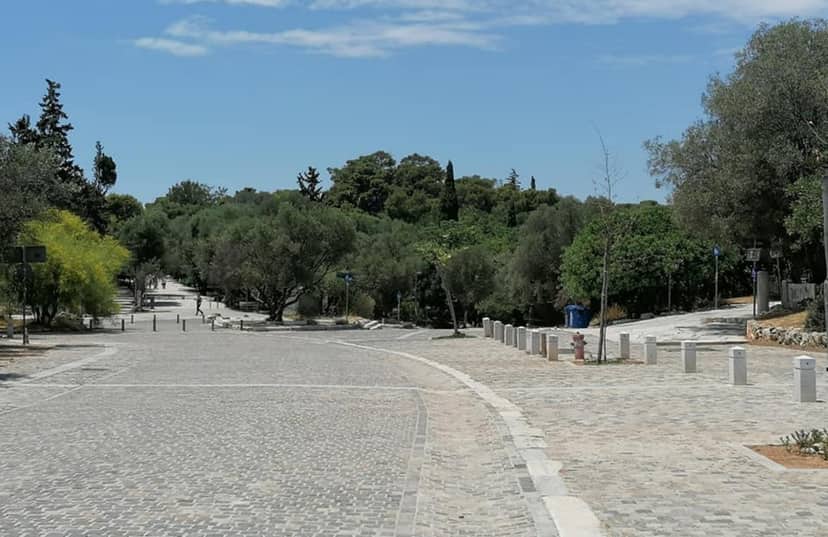
Monastiraki Metro Station- Eridanos River
Monastiraki metro station is historical and one of the oldest on the Piraeus-Kifissia line. It was inaugurated on May 17, 1895…