

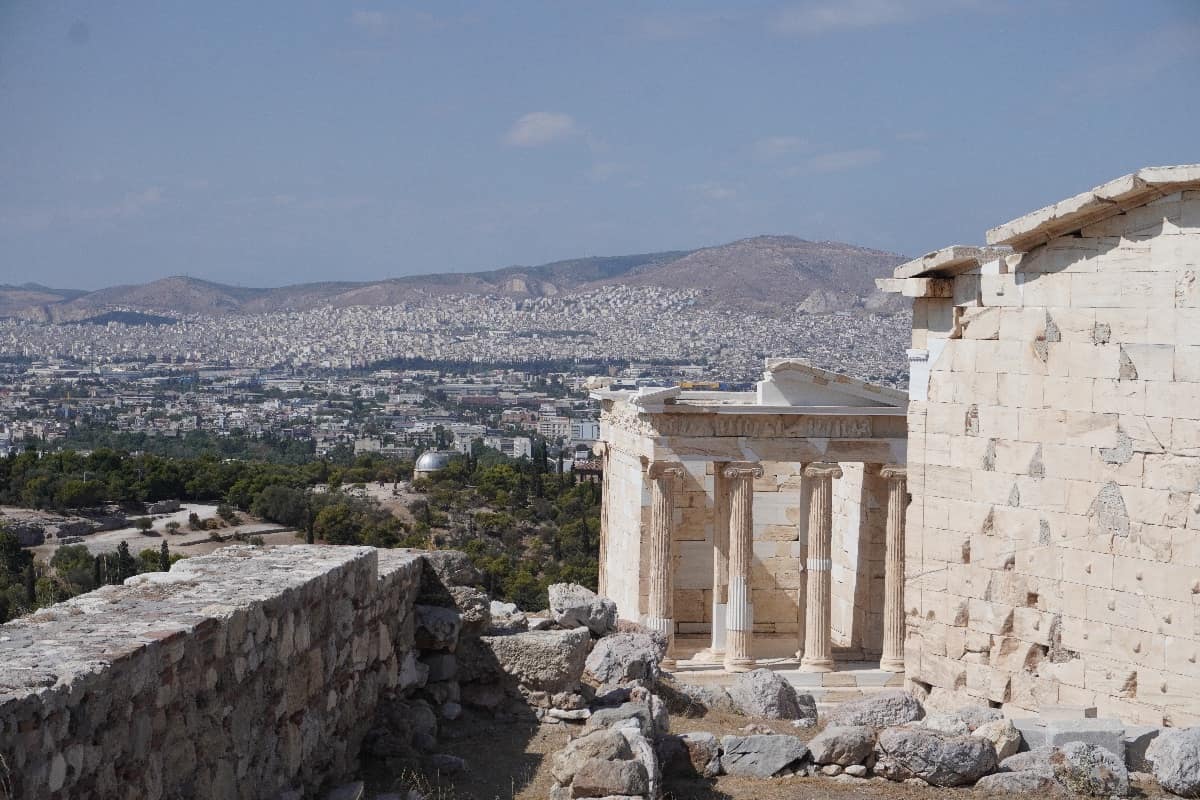
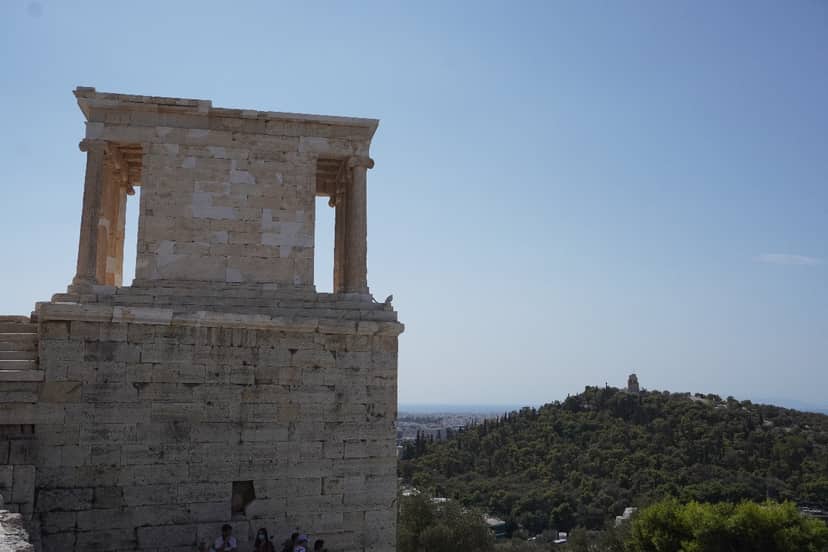
Temple of Athena Nike
The small Ionic temple had a relief-carved frieze with different thematic representations on each side. On the east was shown a gathering of gods around the enthroned Zeus, while the other sides presented scenes of war between Greeks and Persians or Greeks with other Greeks. The south side depicted the victorious battle of the Greeks against the Persians at Marathon in 490 BC, led by the Athenians.
Few sculptural remains are preserved from the temple’s pediments. It is believed that the west pediment depicted the victory of the Olympian gods against the Giants (Gigantomachy), while the east depicted the victory of the Athenians against the Amazons (Amazonomachy).
Around 410 BC, a marble parapet, adorned with carved reliefs, was installed around the dangerous edge of the temple’s bastion for the protection of visitors. The reliefs showed the seated goddess Athena resting, after victorious battles, as she watches winged Nikes leading bulls to sacrifice or holding weapons and decorating victory trophies with Greek or Persian armour.
The small Ionic temple had a relief-carved frieze with different thematic representations on each side. On the east was shown a gathering of gods around the enthroned Zeus, while the other sides presented scenes of war between Greeks and Persians or Greeks with other Greeks. The south side depicted the victorious battle of the Greeks against the Persians at Marathon in 490 BC, led by the Athenians. Few sculptural remains are preserved from the temple’s pediments. It is believed that the west pediment depicted the victory of the Olympian gods against the Giants (Gigantomachy), while the eas…
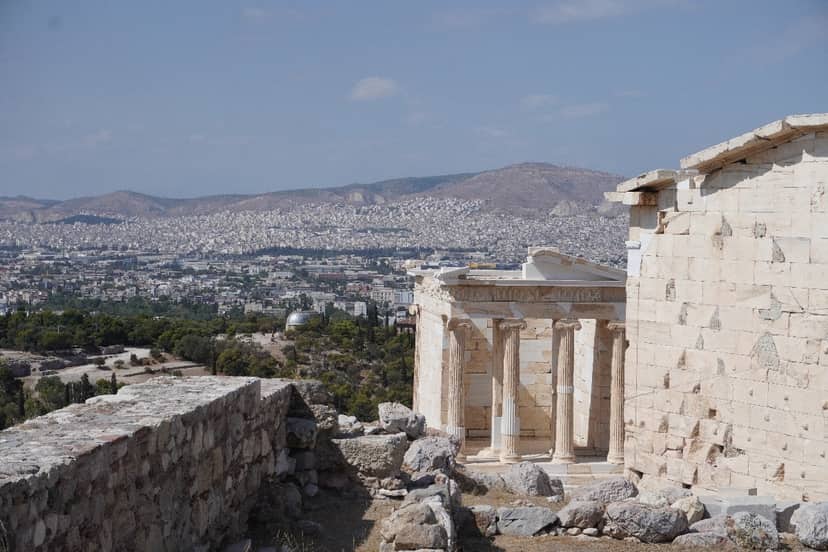
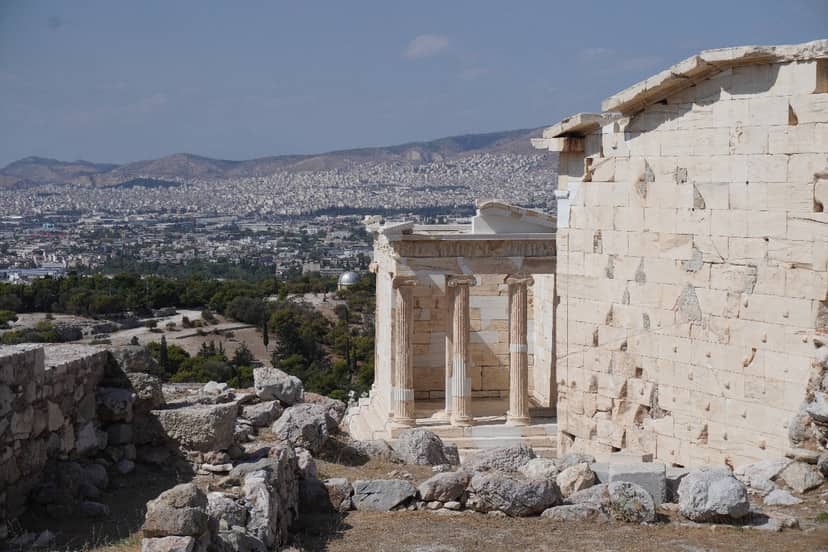
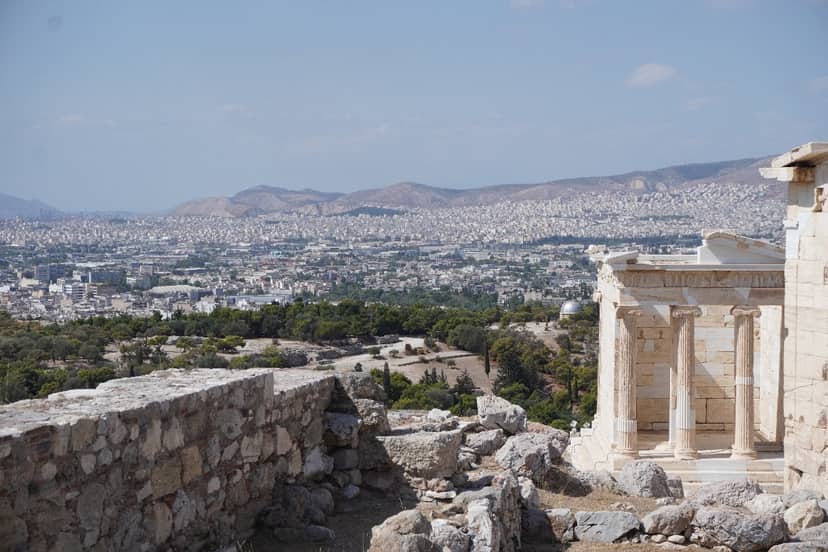
On the map
Experience Attica
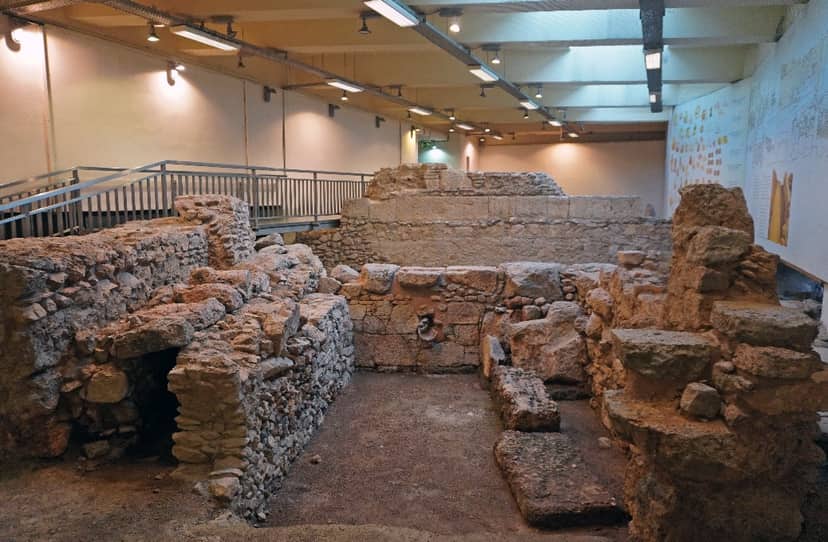
Monastiraki Metro Station- Eridanos River
Monastiraki metro station is historical and one of the oldest on the Piraeus-Kifissia line. It was inaugurated on May 17, 1895…