Gastronomy
25 recipes
Enjoy a plethora of traditional Greek foods branded by the fertile soil of Attica and the salty breeze of its islands, flavour that truly comes from the earth and sky.
Wine, honey, nuts, fruits, vegetables, olives, all with unique tastes and textures that rival anything you’ve had before. And let’s not forget the local fresh fish that is best prepared sauce-less, charcoaled simply and served with just a touch of olive oil and a squeeze of lemon.
If you order the mouth-watering choriatiki salad at a seaside taverna, expect no less than organic tomato from Vravrona, cucumber from Kalyvia, oregano and capers from Mount Hymettus, black olives from Megara, virgin olive oil from Troezen, red wine vinegar from Spata, onion and garlic from Marathon and feta cheese (note: not goats’ cheese, but sheeps’ cheese, made from an exclusive Greek recipe) from Lavrio.
Pride yourself on knowing your wine. Don’t limit yourself to just a glass of retsina, as some of the best wines in the world are produced here. After all, it was Homer who wrote about ‘the wine-dark sea’ and that naughty old god, Dionysus, who invented wine.
Enjoy eating as the Greeks eat. We’ll provide the dictionary of Greece’s unique flavours and you can let your imagination and creativity start to run wild. Knowing your food is vital in Attica, especially because all of Greek’s finest delicacies can be found in Athens and the surrounds, with most of them made right here in Attica.
The dictionary of Greek traditional food & taste
Feta — Enjoy it with a little olive oil, oregano, and freshly baked bread or as a salad dressing or in cheese pies.
Choriatiki — A traditional Greek salad, with tomato, cucumber, green pepper, onion, feta cheese, olive oil, and oregano.
Tzatziki — With yogurt, cucumber, and lots of garlic.
Souvlaki pita — It is made with pork, lamb, or chicken wrapped in a pita with tomato, onion, tzatziki, and fried potatoes.
Kalamaki — It is made with grilled pork, chicken, or beef and sprinkled with salt, oregano, and lemon.
Gyros — Roast pork, thinly sliced, served with grilled pita and tzatziki or wrapped as a souvlaki.
Moussaka — The name is Arabic (‘musaqa’), but the recipe of eggplant, ground beef, and thick béchamel sauce coating is thoroughly Greek.
Dolmadakia — Fresh vine leaves with rice (often accompanied by minced meat) and spices served with olive oil and lemon.
Fava — Yellow, boiled fava beans that go great with olive oil, lemon, and chopped onion.
Dakos — Traditional wheat bread, soaked in water, olive oil, and vinegar, with red tomato, crumbled feta, and oregano.
Horta — Boiled greens served with olive oil and lemon with a slice of feta on the side.
Saganaki — Yellow cheese, fried to perfection until crispy on the outside, with a slice of lemon.
Spanakopita — Spinach and traditional feta in layers of thin phyllo dough.
Taramosalata — Fish roe mixed with boiled potatoes or wet breadcrumbs, olive oil, and lemon juice.
Yemista — Tomatoes, peppers, courgettes, and eggplants stuffed with rice, and herbs and then baked in the oven.
Pastichio — Baked pasta with minced meat and a rich, creamy béchamel sauce.
Scordalia — Thick mashed potatoes and garlic, which usually accompanies fried fish.
Ouzo — It is served mixed with water and ice, accompanied by various appetizers. Ouzo is a protected designation of origin product.
Tsipouro — The forefather of ouzo. Tsipouro is a strong distilled spirit popular among (mainly) male drinkers.
Masticha — Made on the famous island of Chios, these ‘tears’ make an excellent digestive.
Retsina — A white dry wine with lumps of resin, perhaps the most famous Greek wine, popular all over the world.
Frappe — Nescafé powdered with sugar, shaken until frothy, and served over ice.
Freddo — Iced espresso with cold milk and crushed ice.
Ellinikos — With finely chopped coffee beans boiled in a kettle, served hot with lots of bubbles.
Koulouri — If the average Athenian decides to have breakfast on the go, he will enjoy this round feast of delicious sesame dough.
Ypovrychio — A scoop of vanilla (sometimes flavored with mastic raisins) steeped in a glass of ice water.
Bougatsa — Sweet semolina pastry cream, sprinkled with powdered sugar.
Loukoumades — Similar to small doughnuts, loukumades are fried balls of dough with honey and cinnamon.
Baklava — Layers of pastry filled with chopped walnuts and honey.
Kandaifi — Kadaifi is shredded dough with chopped nuts and syrup.
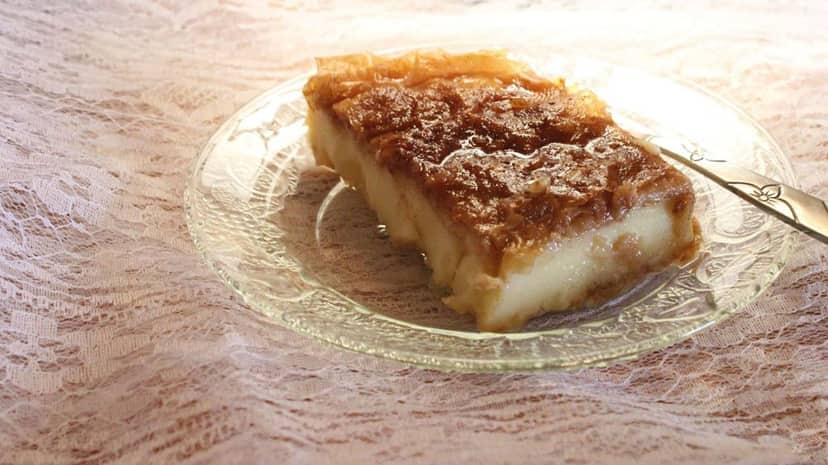
Galaktoboureko — Milk cream baked between layers of foil and then infused with honey syrup and lemon flavor.
Pistachios — Aegina’s pistachios are grown on the island of Aegina. They are served fresh or plain, but are best baked with salt (its most popular version).
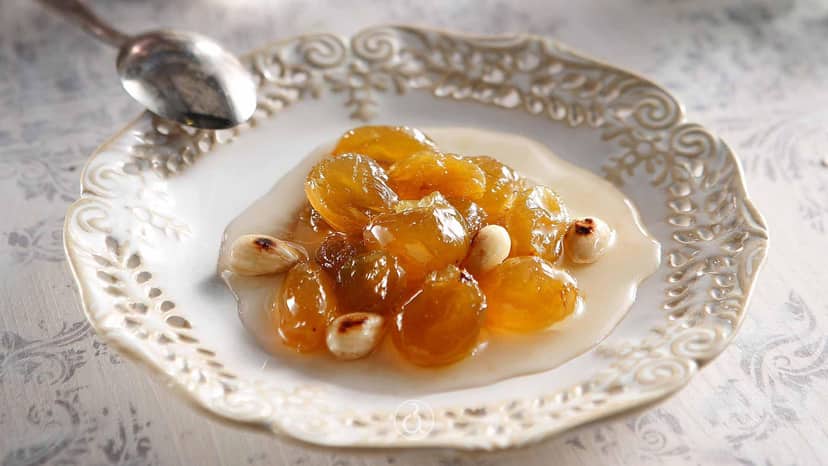
Glyko koutaliou — The most popular version is sour cherry.
Amygdaloto — Blanched almond powder, confectioners’ sugar, and rose water.
Kourabies — Flour, butter, and chopped roasted almonds sprinkled with powdered sugar.
Pasteli — Sesame seeds and pure honey, a triumph of simplicity.
Loukoumia — Made from starch and sugar, it resembles Turkish delight, usually flavored with rose water or mastic.
Results
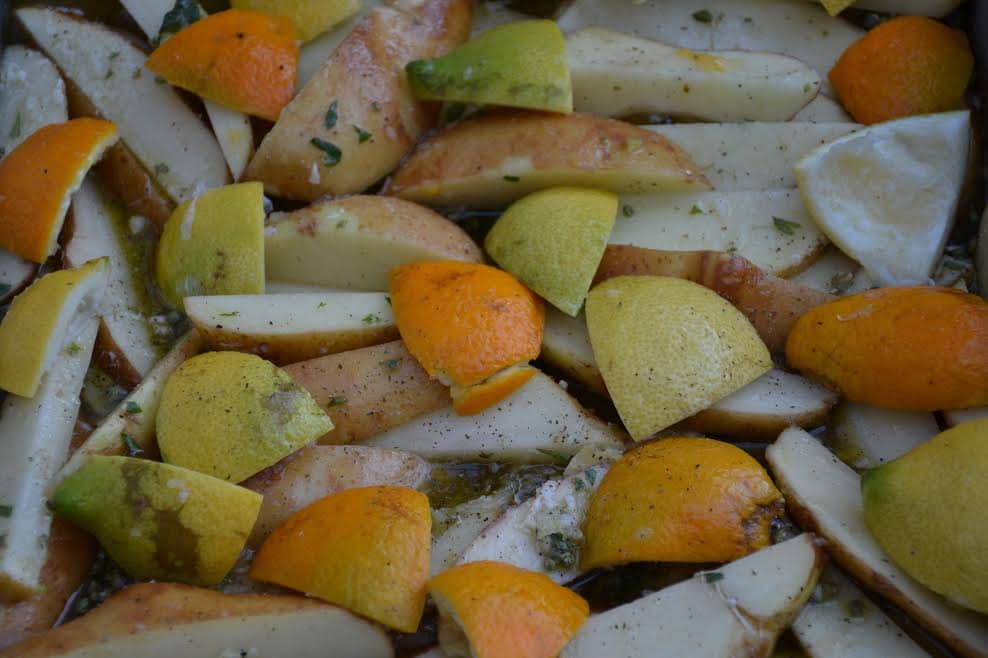
Lemon and orange potatoes
Cut the potatoes into large pieces like wedges (we call them kidonates) and place them on a large metal roasting pan. Put the…
Octopus meatballs from the Saronic Gulf
Remove the octopus from the freezer. Before it gets completely defrosted, use a grater or food processor to mince it. Put a sieve…
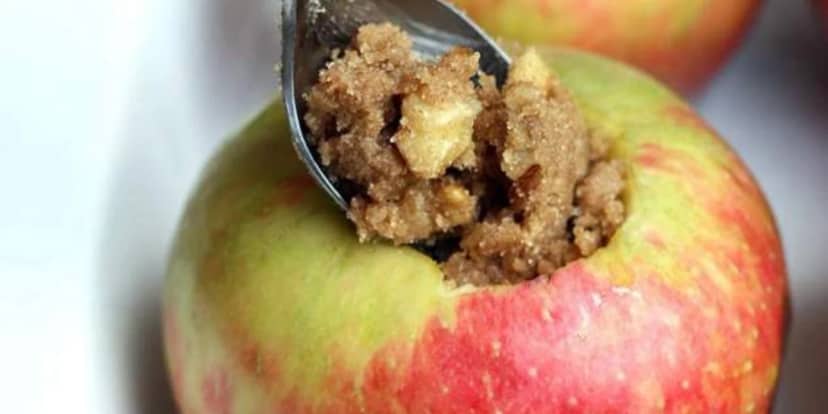
Baked apples with walnuts
Wash the apples thoroughly and let them dry. Use a special tool to core the apple (remove the seeds and leave a circular,…
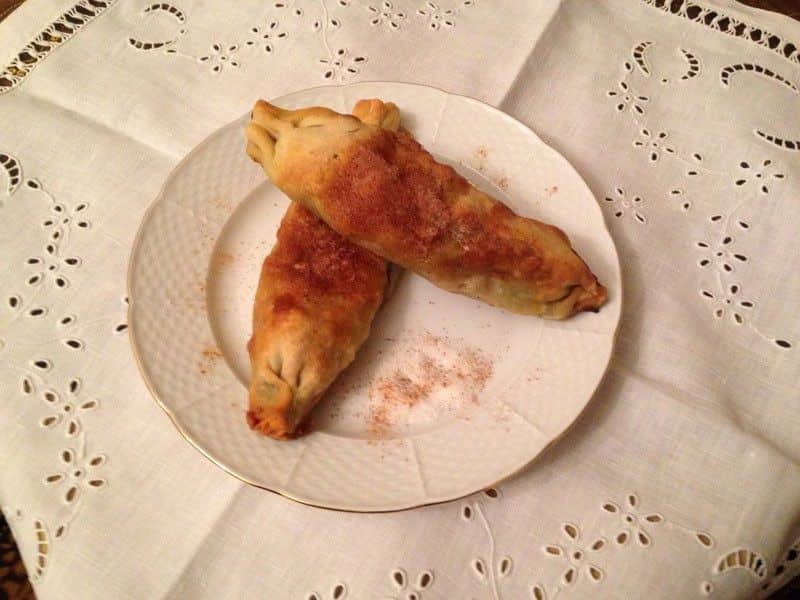
Boumparia from Megara
Peel, cut into small pieces and wash the spinach well. Allow to drain, add 1 tablespoon salt and rub well to leave the broth and…